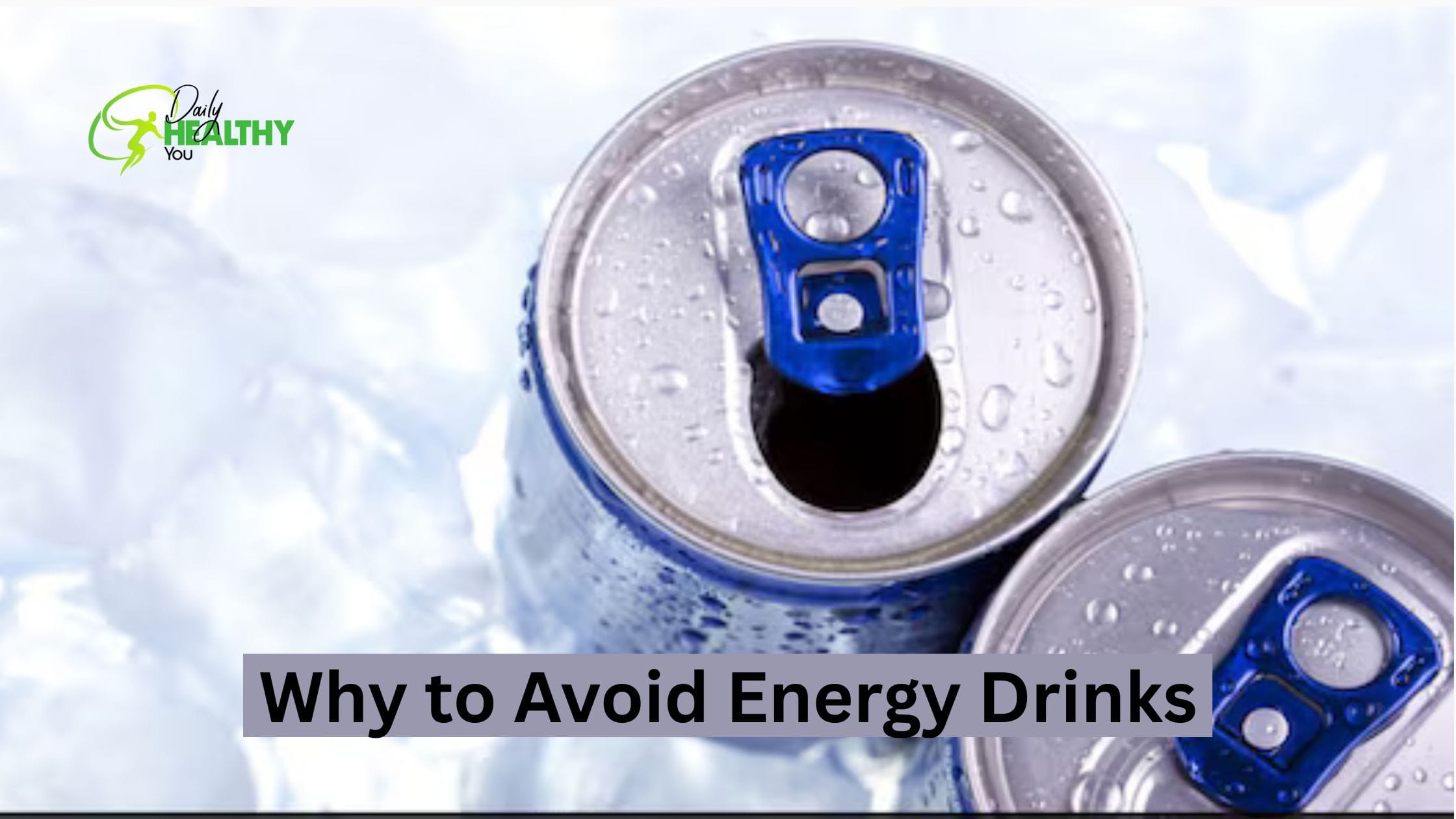
Why to Avoid Energy Drinks
Sometimes we all need a quick energy lift, but commercially available energy drinks aren’t always the healthiest choice. Many popular energy drinks come with side effects that are often overlooked. In this post, explore natural ways to boost energy, highlight the potential risks of energy drinks, and explain why choosing natural alternatives is a smarter option.
Are Energy Drinks Harmful to Your Health?
Many well-known energy drinks advertise natural ingredients such as ginkgo biloba and guarana, which might make them seem harmless. But the real question is—are energy drinks truly safe for your body?
Let’s take a closer look:
What’s Inside an Energy Drink?
Energy drinks are often packed with a mix of ingredients, some familiar and some less obvious. While the exact formula varies by brand, most energy drinks contain sugar, caffeine, B-vitamins, plant extracts, taurine, and artificial colors or flavors. Let’s break down the most common components:
Caffeine
Caffeine is the main active ingredient in nearly all energy drinks. While moderate caffeine intake can boost alertness, too much can lead to serious side effects. The Mayo Clinic recommends a daily maximum of 400 mg, but many energy drinks can push people close to or over this limit. For context, an 8-ounce cup of coffee contains around 130 mg of caffeine. A standard Red Bull has about 80 mg, while Monster drinks range from 115 mg to 184 mg.
Excessive caffeine can cause jitters, headaches, heart palpitations, tremors, nausea, and in rare cases, seizures or hallucinations. It also acts as a diuretic, which can increase dehydration—especially concerning for athletes or anyone consuming energy drinks during physical activity.
Guarana
Guarana is another source of caffeine commonly used in energy drinks. These small beans contain nearly twice the caffeine of coffee beans, allowing brands to increase caffeine levels without making it obvious on the label.
Taurine
Taurine is an amino acid naturally found in the body and in foods like meat, fish, and dairy. In energy drinks, it’s often combined with caffeine to potentially improve mental performance. Taurine itself has several benefits, including supporting heart health, improving exercise recovery, and aiding oxygen transport.
Sugar
High sugar content is a hallmark of energy drinks. A single small can of Red Bull contains about 27 grams of sugar—the equivalent of over six teaspoons. Sugar is often added as glucose, fructose, or sucrose, and some brands use artificial sweeteners instead. Excess sugar can lead to insulin resistance, mineral depletion, and even addictive behaviors.
Artificial Colors and Flavors
Many energy drinks include artificial dyes and flavors, even though they’re not necessary for taste. Studies link some food dyes to behavioral issues, like ADHD, and other health concerns.
B-Complex Vitamins
B vitamins, including B12, are often added to energy drinks to support metabolism and energy production. However, excessive amounts of synthetic vitamins can be harmful, especially when taken in isolation. Some caffeine-free drinks rely on massive doses of B12 to simulate an energy boost.
Are Energy Drinks Good for You?
In short: no.
Like most junk foods, an occasional energy drink is unlikely to cause major harm. But when consumption becomes frequent—weekly or daily—it can lead to serious health issues. With the toxins we already encounter in our environment, food, and daily products, energy drinks only add to the body’s burden.
Energy Drinks Target Children
One of the most concerning aspects of energy drinks is how they are marketed to children and teens. Caffeine is one of the few stimulants that minors can easily buy, and in many countries, including the U.S., caffeine levels in energy drinks are largely unregulated. In contrast, countries like Australia impose limits on caffeine content.
From 2005 to 2011, energy drink-related emergency room visits in the U.S. increased from 1,494 to 20,783, including cases involving children under six. The American Academy of Pediatrics strongly advises that energy drinks should never be consumed by children or adolescents.
Over an eight-year period, 34 deaths were reportedly linked to energy drink consumption, excluding many unreported incidents and serious health events that didn’t result in death. Most of these cases involved young people.
Dangerous Stimulants
Even small amounts of energy drinks can be risky. Studies show that just one or two drinks may trigger abnormal heart rhythms, elevated blood pressure, and other cardiovascular effects. For example, a 2017 study in the Journal of the American Heart Association found that energy drinks caused a measurable delay in heartbeats—greater than what some prescription medications require warning labels for.
Lack of Regulation
Energy drinks often bypass strict food regulations by being labeled as dietary supplements, thanks to added plant extracts like ginseng and ginkgo. This means that safety rules are less stringent in countries like the U.S., while other nations enforce stricter caffeine limits.
Healthier Energy Boost Alternatives
For those needing an energy lift without the risks, natural options are far safer and often more effective. Here are some top choices:
Chia Seeds
Chia seeds are nutrient-dense, packed with omega-3 fatty acids, B vitamins, and minerals that naturally enhance energy. Ancient cultures even used chia for endurance. Studies have shown chia seeds can improve athletic performance comparably to energy drinks.
Ideas to use chia seeds:
- Chia seed pudding
- Chia juice pouches
- Coconut chia porridge
- Homemade chia seed kombucha energy drink
- Energy bars with chia and coconut
Coffee
While coffee contains caffeine, it also has antioxidants and potential health benefits. Enhance your cup with collagen, coconut oil, or superfoods for a nutritious boost.
Healthy coffee options:
- Cold brew coffee
- Superfood vanilla latte
- Bulletproof coffee
- Mushroom coffee
- Coffee kombucha
Tea
Tea offers a gentler caffeine lift and comes in many varieties, allowing for customizable energy levels. Loose leaf or organic options are preferred.
Tea options:
- Yerba mate
- Green tea
- Oolong tea
- Matcha green tea
Homemade Electrolyte Drink
Proper hydration alone can boost energy. For sports or outdoor activities, a DIY electrolyte drink can serve as a safe alternative to commercial energy beverages.
Are Energy Drinks Healthy?
Replace the term “energy drink” with “sugar and caffeine drink,” and the answer becomes clear. While convenient, energy drinks are not a safe or effective way to boost energy. For lasting energy, focus on:
- Drinking water or lemon water in the morning
- Spending time outdoors and getting natural sunlight
- Maintaining consistent, high-quality sleep
Natural alternatives offer energy without the crashes, jitters, or long-term health risks of sugary energy drinks.
Conclusion: Why to Avoid Energy Drinks
Energy drinks may seem like a quick solution for fatigue, but their high caffeine, sugar, and artificial additives make them a risky choice—especially for children and teens. Frequent consumption can lead to heart issues, dehydration, and long-term health problems. Natural alternatives like chia seeds, coffee, tea, and homemade electrolyte drinks provide safer, sustainable energy without the harmful side effects. For lasting vitality, prioritize hydration, nutrient-rich foods, and quality sleep over sugary, caffeinated beverages.