Benefits of Plant Based Diets
Over the last several years, one recurring issue has surfaced across real-food and wellness communities—the idea that a single diet can work for everyone. Many groups passionately promote their preferred eating style as the ultimate solution, even though research consistently shows that no single diet fits every body.
Most people in the nutrition space actually agree on about 90% of core principles, yet debates revolve around the remaining 10%. What often gets overlooked is that individuals who “figure out what works” are discovering what works for their own bodies, not what will work universally. Every dietary pattern—from vegan to paleo—contains something valuable, but individual needs always determine the best approach.
One of the strongest areas of agreement among experts is the importance of sleep and the consistent inclusion of vegetables and plant foods. Today, the focus is on understanding what a plant based diet really means and why personalization is essential.
What Is a Plant-Based Diet?
A plant based diet simply refers to a way of eating where most foods come from plants—vegetables, fruits, herbs, nuts, seeds, and legumes. Many people assume this automatically means vegetarian or vegan eating, but that isn’t accurate. A plant based diet can absolutely include high-quality animal proteins as long as the foundation of each meal is built on plant foods.
Harvard Health defines plant-based diets broadly, noting the Mediterranean diet as a key example. Although it includes fish, poultry, eggs, and dairy in moderation, its primary focus remains plant foods. This diet pattern has been linked to reduced risks of heart disease, metabolic disorders, diabetes, certain cancers, and even improved cognitive function in older adults.
The bottom line: a real-food lifestyle naturally includes significant amounts of fresh vegetables, making plant-based eating a foundation for long-term health.
Why Nutrition Research Often Shows Conflicting Results
Nutrition debates thrive partly because many diet studies compare unhealthy versions of diets rather than balanced, whole-food approaches. As experts like Dr. Mark Hyman highlight, comparing a vegan diet built on processed foods to a paleo diet lacking vegetables tells us nothing useful. The same goes for comparing a vegetable-rich vegan diet to a low-quality meat-heavy diet.
This mismatch in study design frequently leads to confusion, exaggerated claims, and conflicting conclusions.
What Research Consistently Shows
Across countless dietary studies, one consistent finding stands out:
A diet rich in vegetables and other whole plant foods supports better health outcomes—regardless of whether it includes animal products.
Studies show that:
- Diet quality matters more than whether someone eats meat.
- Blue Zone populations (known for longevity) eat plant-centered diets but still include small amounts of high-quality animal foods.
- Simply removing meat without choosing nutrient-rich plant foods does not improve health.
In other words, the key benefit comes from increasing vegetables and whole plant foods—not from eliminating animal foods altogether.
A plant-based diet should be vegetable-based, not merely “plant-based” if the plant foods being chosen are processed grains, sugars, and refined carbohydrates.
Personalizing Your Diet: Understanding Your Body’s Needs
While a plant-forward diet is beneficial for most people, the ideal ratio of plant to animal foods varies by individual. Genetics, digestion, activity levels, hormones, and food sensitivities all influence nutritional needs.
Many people experience natural fluctuations in appetite—sometimes craving lighter plant meals and other times requiring more protein-rich foods. These signals often reflect the body’s shifting requirements.
Elimination diets, food logs, and functional tests like genetic nutrition panels (e.g., epigenetics-focused tests) can help identify what supports your personal biology.
However, it’s important to distinguish between cravings caused by physiological imbalances—like sugar cravings driven by blood sugar issues—and genuine nutritional needs.
The Role of Epigenetics in Nutrition
Food has a profound effect on gene expression. Studies show that diets high in refined carbohydrates can activate genes related to metabolic inflammation, obesity, and chronic disease. Similarly, nutrient-dense foods can “switch off” harmful gene expression and promote healing.
Because genetic profiles differ from person to person, optimal diets must also differ. This is why personalized nutrition continues to gain importance—one-size-fits-all recommendations rarely work for everyone.
Can Animal Products Be Part of Healthy Plant-Based Diet?
Yes. A plant-centered diet does not require removing animal foods. In fact, several essential nutrients are more bioavailable or only found in animal products:
- Vitamin B12 – Naturally found only in animal foods
- Conjugated Linoleic Acid (CLA) – Mainly from grass-fed dairy and meat
- Bioavailable Iron (heme iron) – More easily absorbed from meat
- Vitamin A (retinol) – Abundant in liver and eggs
- Omega-3 fatty acids (EPA/DHA) – Primarily from oily fish
These nutrients are far easier to obtain in adequate amounts when high-quality animal products are included in moderation.
Blue Zone research also supports the idea that animal foods should be a supporting component, not the main portion of the plate.
Where Does Dairy Fit In?
Dairy remains one of the most debated food groups. Some individuals thrive with dairy, while others experience inflammation, digestive symptoms, or metabolic disruptions. Research is mixed, which is why many nutrition experts remain cautious.
If dairy is included, the most supported options are:
- Grass-fed, organic, or raw dairy
- Fermented products like yogurt and kefir
- High-fat dairy (butter, cream, ghee)
- Aged cheeses
Highly processed dairy products are best avoided.
What About Grains and Legumes?
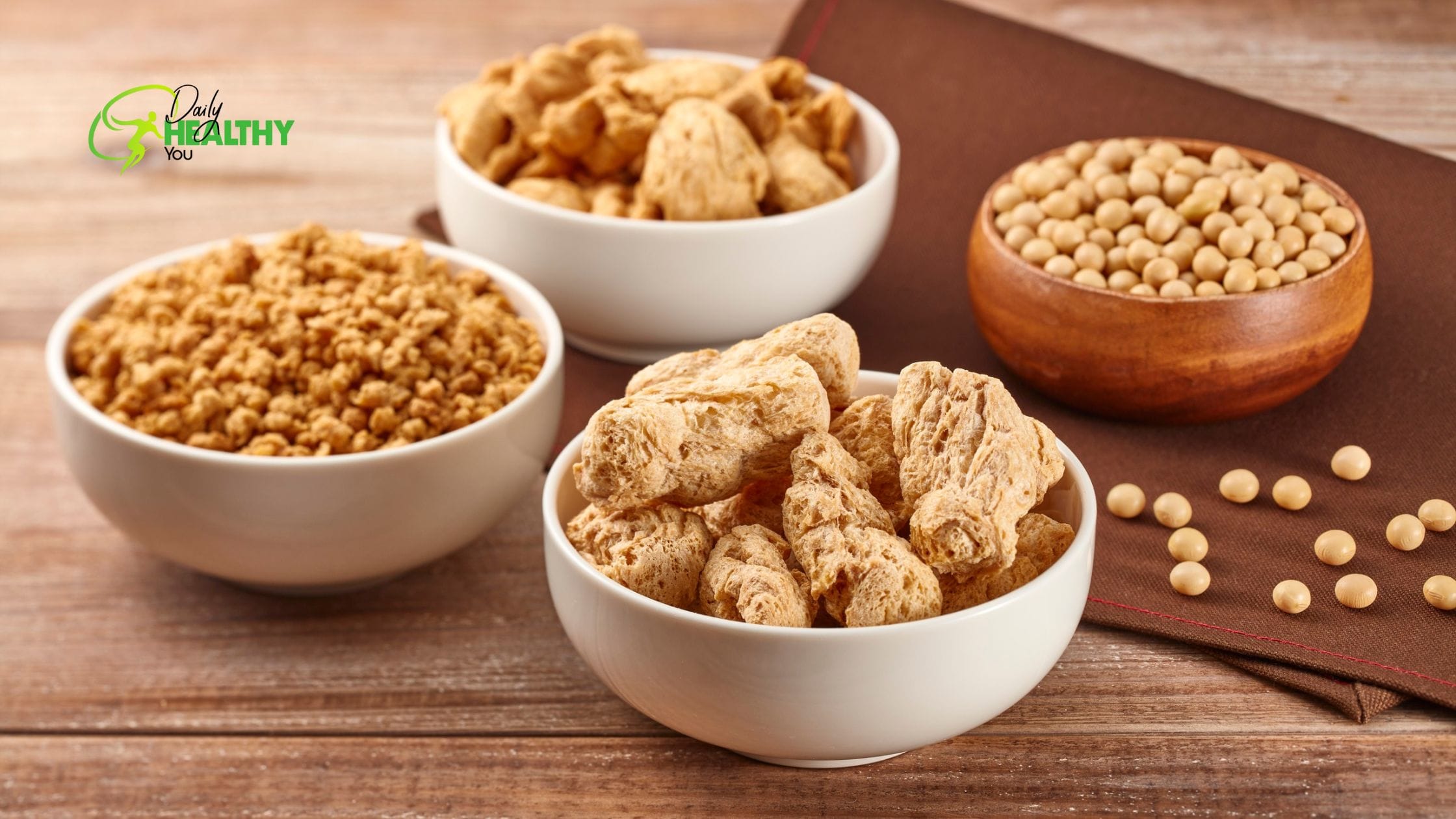
Although technically plant foods, grains and legumes can be problematic for some people due to issues like lectins, phytic acid, and gluten sensitivity. Others tolerate them well—especially when traditionally prepared (soaked, sprouted, or fermented).
The key again is personalization.
How to Follow a Healthy Plant-Based Diet (With or Without Meat)
A balanced, health-supportive plant-based diet—whether omnivorous, vegetarian, or somewhere in between—generally follows these principles:
1. Prioritize Vegetables and Some Fruits
Vegetables should make up half (or more) of every plate. They provide fiber, micronutrients, antioxidants, and essential cofactors.
2. Keep Sugar Intake Low
Added sugars and refined carbohydrates contribute to chronic disease and should be minimized. Choose natural, unprocessed carbs instead.
3. Favor Moderate Carbohydrates
Carbohydrates should come mainly from whole plant foods like fruits, starchy vegetables, and roots, not refined grains.
4. Choose Real, Whole Foods
Avoid processed foods, additives, preservatives, and pesticides whenever possible. Whole-food diets consistently outperform processed-food diets in research.
5. Include Quality Proteins
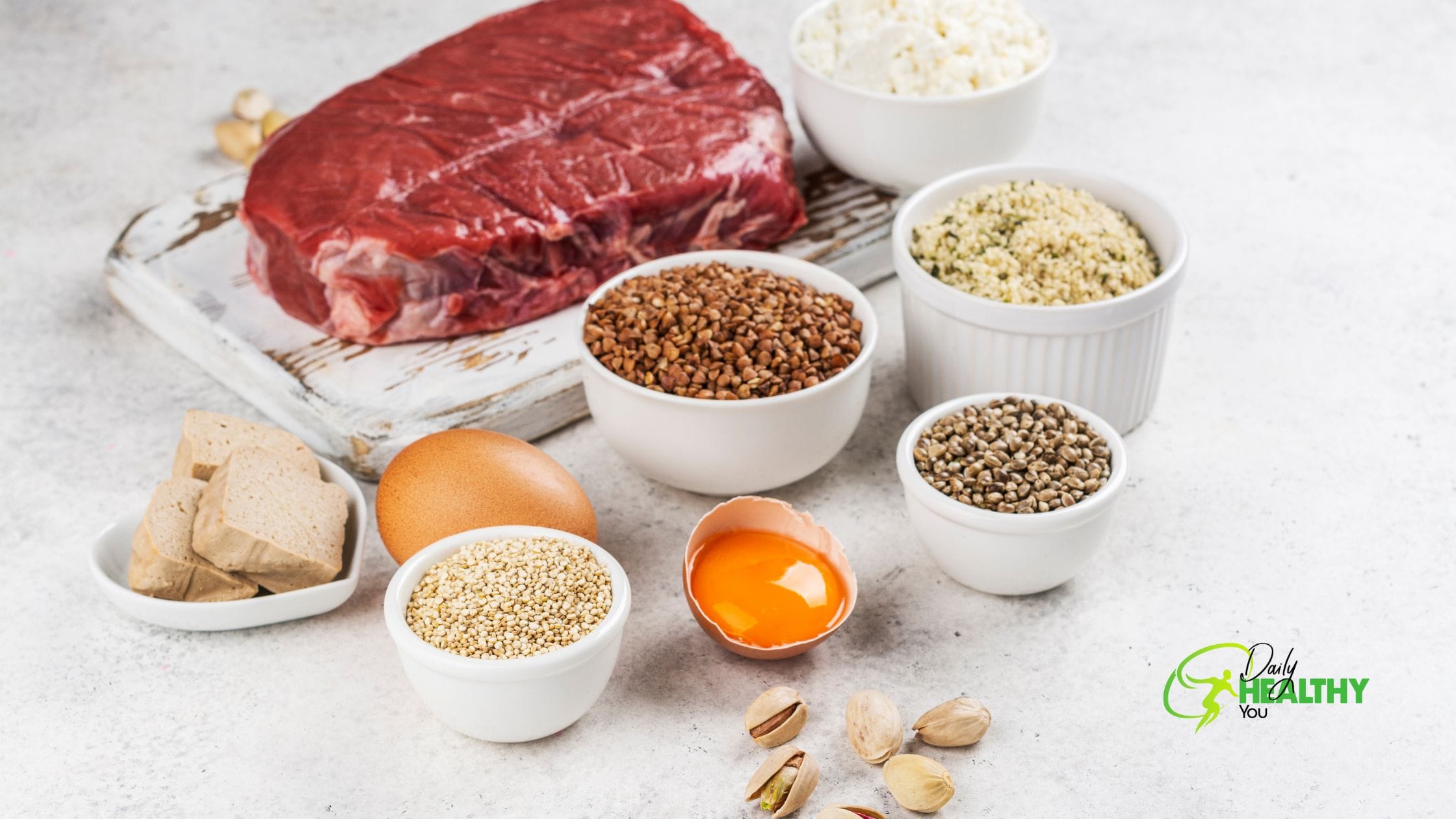
Protein needs vary, but they should be met through nutrient-rich sources such as
- pasture-raised meats
- eggs
- wild-caught fish
- nuts, seeds, legumes, and vegetables
Practical Approach to Plant-Based Eating
A healthy plant-centered diet does not require removing animal foods. Instead, it emphasizes:
- Abundant vegetables and herbs
- Moderate, high-quality proteins
- Minimal sugars and refined carbohydrates
- Healthy fats
- Nutrient diversity tailored to individual needs
A sustainable approach to nutrition does not rely on extremes. It focuses on a real-food foundation, consistent habits, and small changes that build long-term health.
Conclusion: Plant Based Diet
A truly healthy diet isn’t about choosing sides or committing to one strict eating philosophy. It’s about understanding that humans thrive on variety, balance, and personalization. While different approaches may work for different people, one principle consistently stands strong across all research: a diet rich in vegetables, whole foods, and nutrient-dense ingredients supports long-term health far better than any extreme dietary rule.
A plant-based diet does not have to exclude animal products. Instead, it encourages making plants the foundation of every plate while using high-quality animal foods to fill nutritional gaps. Listening to the body, understanding genetic predispositions, and paying attention to how specific foods make you feel are essential steps toward creating a sustainable diet that fits your unique biology.
Eat real food, prioritize vegetables, choose quality proteins, keep sugars low, and nourish your body with the nutrients it needs. Small, consistent, and mindful choices lead to meaningful changes—making healthy eating a long-term lifestyle rather than a temporary trend.