Nutrition for Healthy Pregnancy
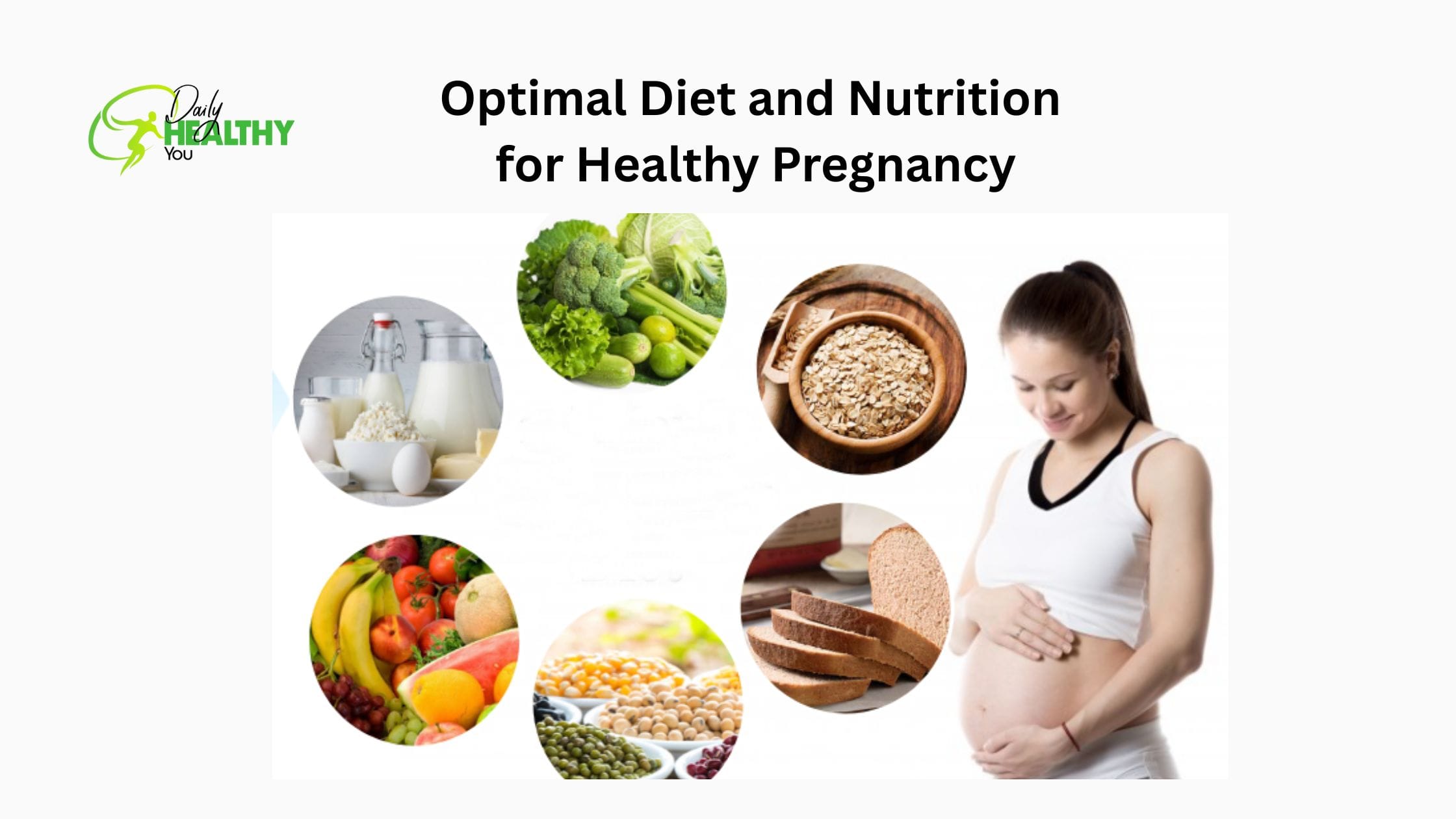
Pregnancy is a special time when the body undergoes many changes and requires extra care. Paying attention to proper nutrition is one of the most important steps to ensure the health of both mother and baby. A healthy diet during pregnancy supports development, maintains energy, and helps reduce common discomforts. Understanding what to eat, what to avoid, and how to stay balanced can make this experience healthier and more comfortable for both.
Foods to focus on during pre-conception, pregnancy and breastfeeding:
Protein:
During pregnancy, it’s essential for women to consume at least 80 grams of protein daily to support the baby’s growth and overall health. A protein-rich diet may help lower the chances of preeclampsia and other complications. Many expectant mothers also find that eating enough protein helps ease morning sickness and maintains stable energy levels.
Fats:
Healthy fats play a crucial role in the brain and organ development of the baby. Expecting mothers should include natural fat sources such as red meat, eggs, butter, olive oil, coconut oil, nuts, and moderate amounts of dairy. Ensuring a proper intake of these healthy fats provides the body with essential nutrients and supports hormonal balance throughout pregnancy.
Fruits and Vegetables:
A balanced diet full of fresh fruits and vegetables ensures that both mother and baby get a wide range of vitamins, minerals, and fiber. Green leafy vegetables are especially beneficial because they help increase Vitamin K levels, which support blood health and bone development.
Water:
Hydration is extremely important during pregnancy since a woman’s blood volume increases and her body produces amniotic fluid for the baby. Drinking plenty of water—around one gallon per day—helps prevent constipation, morning sickness, and dehydration, keeping both mother and baby healthy and energized.
Foods to avoid during pre-conception, pregnancy and breastfeeding
Caffeine:
There are mixed views about caffeine consumption during pregnancy. While a small amount may not be harmful, it’s best to limit or avoid caffeine altogether for optimal maternal and fetal health. If you do choose to have it, stick to no more than one cup per day and avoid caffeine sources like soft drinks or energy beverages, which contain added sugars and artificial ingredients.
Processed Foods:
Many processed foods contain preservatives, additives, and chemicals that can be passed on to the developing baby. Research has even found traces of several chemicals in umbilical cord blood, highlighting the need to minimize exposure. These foods also lack essential nutrients and may contribute to constipation, unstable blood sugar levels, and morning sickness. Choosing fresh, whole foods is always the better option.
Vegetable Oils and Refined Fats:
Highly processed vegetable oils and other refined omega-6 fats are not beneficial during pregnancy. Overconsumption of these fats has been linked to cell damage and inflammation, which can interfere with the baby’s healthy development. Expectant mothers should prioritize natural fat sources such as olive oil, coconut oil, butter, and animal fats for safer and more stable nutrition.
Grains and Sugars:
Refined grains and sugary foods provide empty calories with little to no nutritional benefit. Excess sugar can also lead to energy crashes, mood swings, and blood sugar imbalances. During pregnancy, it’s best to focus on nutrient-dense foods—like lean meats, vegetables, fruits, and healthy fats—that provide the essential vitamins and minerals needed for both mother and baby.
Supplements for a Healthy Pregnancy
Every woman’s nutritional needs during pregnancy are unique, and supplement requirements can vary depending on her health, diet, and medical history. It’s always important to consult a doctor or midwife before starting any supplement to ensure it’s safe for both mother and baby.
During pregnancy, the body’s nutrient demands increase significantly, and sometimes it’s not possible to meet all of them through diet alone. In such cases, supplements can help fill the gaps and support healthy fetal development.
Below are some commonly recommended supplements that may benefit expectant mothers:
Probiotics:
Probiotics play a vital role in supporting the mother’s gut health and, in turn, the baby’s developing digestive system. Since newborns are born with a sterile gut, their gut bacteria begin to develop based on the mother’s microbiome. Including high-quality probiotic supplements or naturally fermented foods such as yogurt, kefir, and kombucha can promote a healthy balance of bacteria. Adequate probiotic intake may also help reduce the risk of Group B Streptococcus (GBS) and improve overall immunity during pregnancy.
Omega-3 Fatty Acids (DHA and EPA):
Omega-3 fatty acids are crucial for the baby’s brain, eye, and nervous system development. Since it’s often difficult to obtain enough through diet alone, supplements can be beneficial. Fish such as sardines are a natural source, but high-quality Omega-3 or DHA supplements ensure consistent intake. These nutrients can also help lower the risk of pregnancy complications and support the mother’s cardiovascular health.
Vitamin D:
Vitamin D contributes to healthy bone formation, immune function, and hormone balance during pregnancy. Research suggests that women taking higher doses (around 4,000 IU daily) had a lower risk of gestational diabetes, preeclampsia, and premature delivery compared to those on smaller doses. However, requirements vary by individual, so it’s important to consult a healthcare provider to determine the right dosage—typically between 4,000–10,000 IU per day.
Folate:
Folate (Vitamin B9) is essential for preventing neural tube defects such as spina bifida and supporting early brain and spinal cord development. The general recommendation is 400 micrograms daily, though some healthcare professionals suggest up to 2,000 micrograms for optimal protection. Folate is water-soluble, meaning excess amounts are naturally excreted, reducing the risk of overdose.
Iron:
Iron helps in the production of hemoglobin, which transports oxygen to both mother and baby. Low iron levels can lead to anemia, increasing the risk of fatigue, weakness, and delivery complications. If tests show iron deficiency, supplements may be required. However, incorporating iron-rich foods like red meat, leafy greens, lentils, and cooking with cast iron utensils can also help maintain healthy iron levels naturally.
Herbs During Pregnancy
It’s essential to consult a qualified healthcare provider, midwife, or herbal specialist before using any herbs during pregnancy. While certain herbs can be highly beneficial, others may not be safe and should be avoided. Always seek professional guidance to ensure both maternal and fetal safety.
When approved by a doctor or midwife, some herbal blends can support overall wellness, improve circulation, and strengthen the uterus during pregnancy. A common herbal tea mixture includes:
- Red Raspberry Leaf (4 parts): Known to help tone the uterine muscles and support smoother labor.
- Nettle Leaf (1 part): A natural source of iron and minerals that promote healthy blood production.
- Alfalfa Leaf (1 part): Rich in vitamins and nutrients that boost energy and aid recovery.
- Peppermint (optional, 1 part or less): Helps with mild nausea and improves digestion.
To prepare, combine the dried herbs in the recommended proportions. Add about ¾ cup of the herbal blend to a large jar, fill it with boiling water, and allow it to steep overnight. Strain the mixture and store it in the refrigerator. The tea can be enjoyed cold throughout the day as a refreshing and nourishing drink.
Red Raspberry Leaf:
Red Raspberry Leaf is widely recognized as a supportive herb during pregnancy. It acts as a uterine tonic, helping to strengthen uterine muscles and support healthy contractions during labor. It may also help reduce cramps, minimize anemia, and prevent excessive bleeding both during and after childbirth. Its natural properties can promote a smoother and more comfortable birthing process when used under professional supervision.
Peppermint:
After the first trimester, peppermint can be helpful for easing digestive discomfort, bloating, and nausea. It also acts as a natural body refresher, promoting relaxation and overall well-being. However, it should be consumed in moderate amounts and only after consulting a healthcare provider, as excessive intake may sometimes cause uterine stimulation.
Alfalfa Leaf and Nettle Leaf:
Both alfalfa leaf and nettle leaf are rich in vitamin K, an essential nutrient that supports blood clotting and helps prevent excessive bleeding during delivery. They also aid in improving kidney function, reducing water retention, and may help in preventing hemorrhoids, which are common during late pregnancy. Including these herbs, with medical approval, can contribute to better overall health and smoother recovery after childbirth.
Foods and Substances to Avoid During Pregnancy
Maintaining a healthy diet during pregnancy is just as much about avoiding harmful foods and substances as it is about eating nutritious ones. The following items should be limited or completely avoided to protect both mother and baby:
- Trans Fats (Hydrogenated Oils): Found in many processed and fried foods, trans fats can negatively affect heart health and fetal development.
- Junk Foods: Often high in salt, sugar, and unhealthy fats, these offer little nutritional value and can lead to unwanted weight gain and fatigue.
- Commercial Fried Foods: Deep-fried or packaged snacks may contain harmful oils and additives that are difficult for the body to process.
- Refined Sugar and White Flour: Excess consumption can cause blood sugar spikes, increasing the risk of gestational diabetes and energy crashes.
- Soft Drinks: These contain caffeine, sugar, and artificial chemicals that can interfere with nutrient absorption and hydration.
- Caffeine: Should be limited to one small cup per day or avoided entirely, as high intake may affect the baby’s development.
- Alcohol: Completely avoid alcohol, as it can lead to fetal alcohol syndrome and long-term developmental issues.
- Cigarettes: Smoking during pregnancy increases the risk of preterm birth, low birth weight, and respiratory problems in the baby.
- Drugs (Including Prescription Drugs): Only take medication prescribed and approved by a healthcare professional, since some drugs can harm the developing fetus.
Conclusion: Nutrition for Healthy Pregnancy
A healthy pregnancy depends greatly on balanced nutrition, adequate hydration, and mindful supplementation. By focusing on whole foods rich in protein, healthy fats, vitamins, and minerals, expectant mothers can support their baby’s growth and ensure their own well-being throughout each trimester.
While supplements such as folate, iron, vitamin D, omega-3 fatty acids, and probiotics can be beneficial, they should always be taken under the guidance of a doctor or midwife to ensure safe and effective use. Similarly, certain herbal remedies—like red raspberry leaf, nettle, and alfalfa—can offer natural support when used appropriately.
Avoiding harmful substances such as processed foods, trans fats, alcohol, caffeine, and smoking is equally important to minimize health risks and promote a safe pregnancy journey.
With the right combination of nutrition, rest, hydration, and medical guidance, mothers can nurture a strong foundation for their baby’s healthy development and enjoy a smoother, more balanced pregnancy experience.
