Best And Natural Remedies for Eczema
Eczema is a common skin condition that can range from mild irritation to chronic discomfort. While topical treatments can offer temporary relief, addressing underlying causes—particularly diet and lifestyle factors—often plays a crucial role in long-term improvement.
The Role of Diet in Eczema
Topical treatments alone may not fully resolve eczema if internal factors are contributing. Research suggests that diet and gut health significantly impact skin conditions. Certain foods can trigger inflammation, while nutrient-rich options support healing.
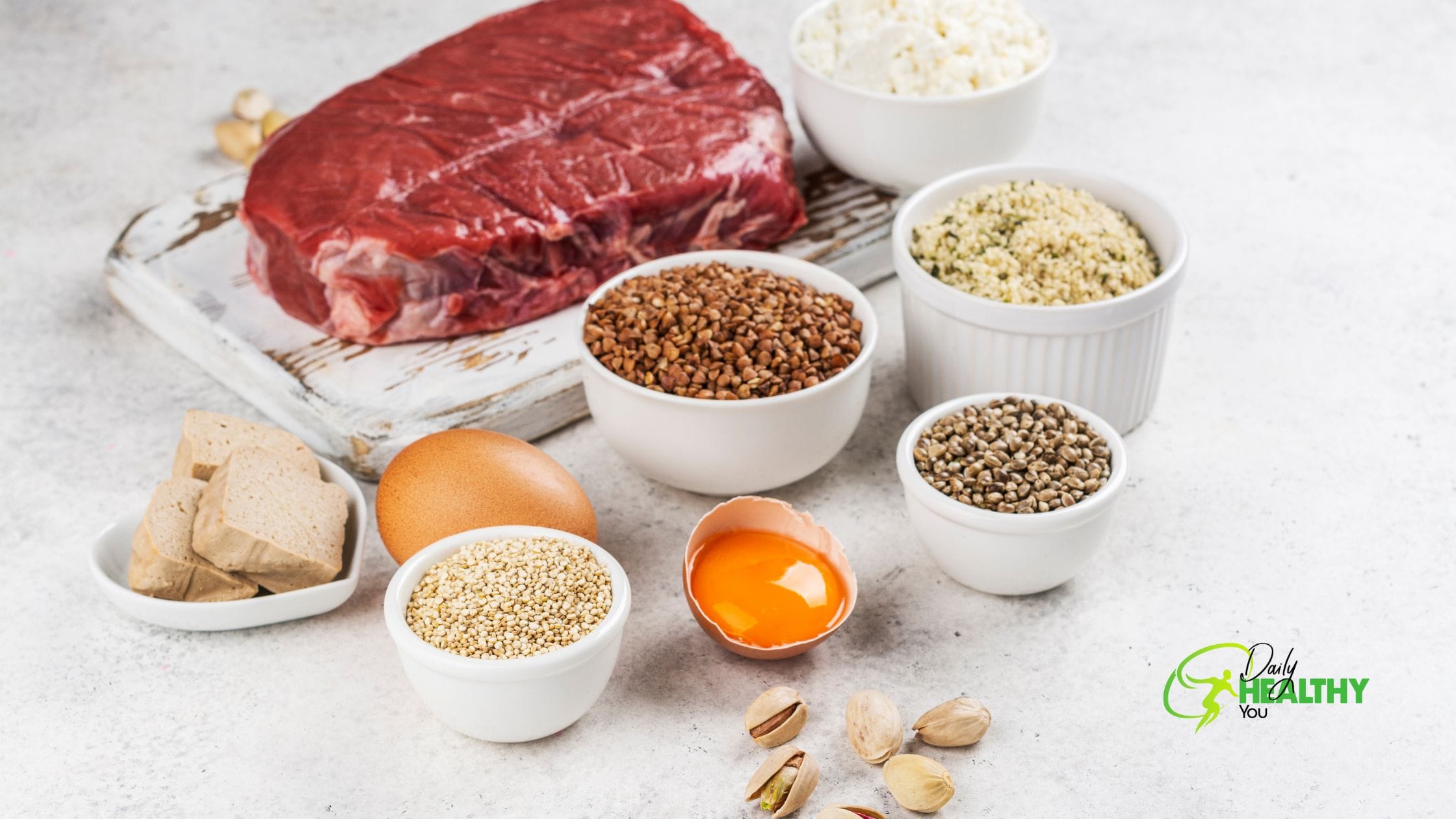
One dietary approach that has shown benefits in some cases is the GAPS (Gut and Psychology Syndrome) protocol. This diet focuses on gut-healing foods such as bone broth, healthy fats, and fermented vegetables, which support digestion and nutrient absorption. For severe cases, the protocol begins with an Introduction Diet, gradually expanding to include more foods while strictly avoiding potential triggers like gluten, dairy, processed foods, and artificial additives.
Natural Remedies for Eczema
Once dietary changes are in place, several natural remedies may help manage eczema symptoms and promote healing:
1. Coconut Oil
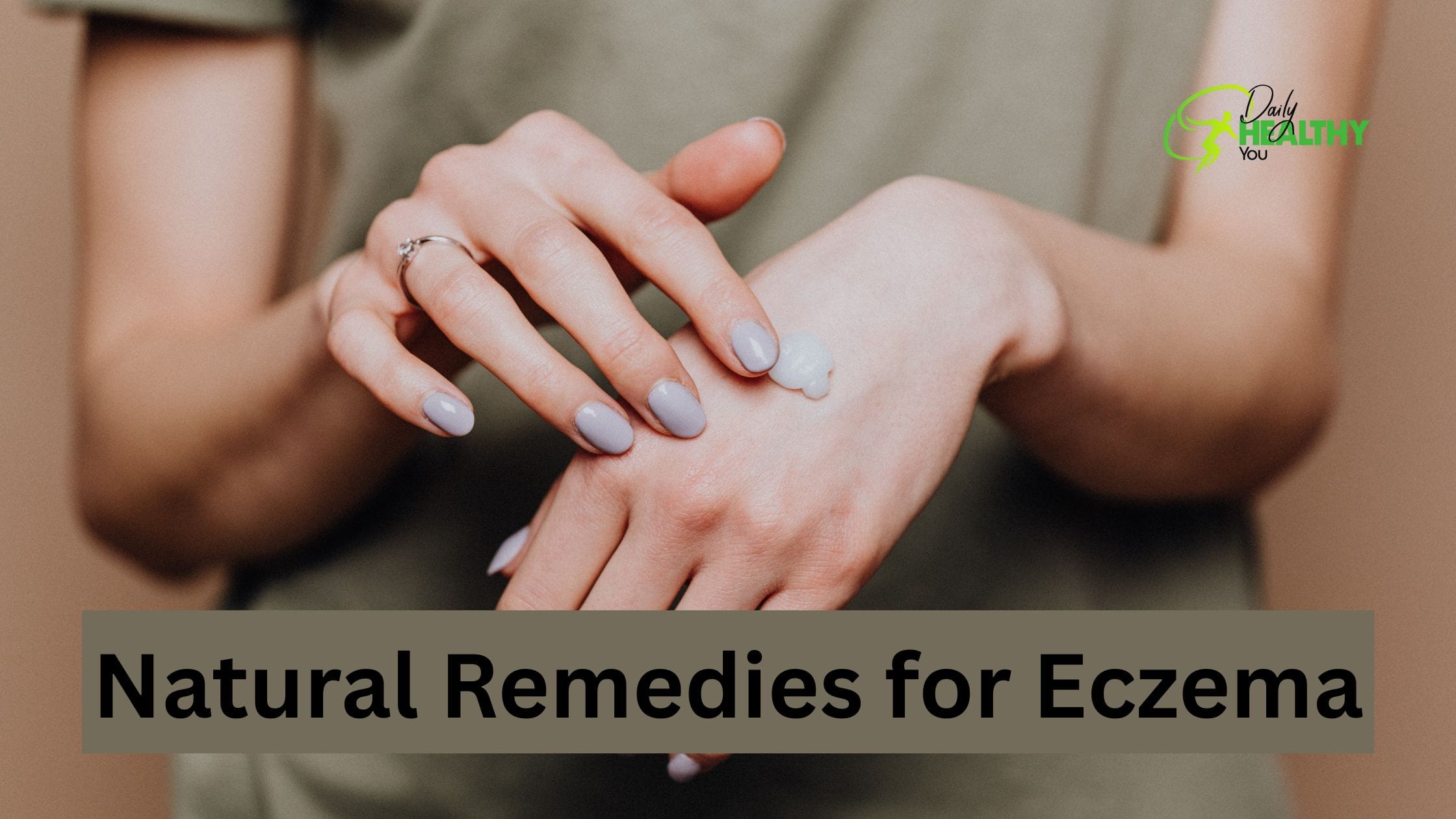
Coconut oil can soothe itching and reduce discomfort when applied as a thin layer on affected areas. It also has antibacterial and moisturizing properties. For those with coconut sensitivities, hypoallergenic lotion bars can serve as an alternative.
2. Sea Salt and Magnesium Sprays
For oozing or inflamed eczema, magnesium and sea salt sprays can support skin healing and provide relief. The minerals mimic the benefits of seawater, which many people with eczema find soothing.
3. Omega-3 Fatty Acids
Increasing omega-3 intake through fish or supplements may reduce inflammation and support skin health. Research suggests that higher early-life omega-3 consumption may decrease eczema risk. It is also important to limit omega-6 fatty acids from processed foods, which can be inflammatory.
4. Magnesium Baths
For individuals who tolerate soaking, baths with Epsom salts, magnesium flakes, and Himalayan salt can help calm irritation and promote healing. Transdermal magnesium applications, such as magnesium oil, may offer quicker benefits than oral supplements.
5. Probiotics
While evidence is mixed, probiotics can help balance gut bacteria, which may indirectly benefit skin health. Probiotic-rich foods and high-quality supplements may support long-term improvements in eczema management.
6. Gelatin-Rich Foods
Bone broth and other gelatin-rich foods support gut health and provide collagen, which contributes to skin, hair, and nail wellness. Collagen powder can also be added to smoothies for convenience.
7. Homemade Healing Salves
Natural salves made with ingredients like beeswax, carrier oils, and essential oils can help soothe inflamed or scarred skin. These remedies may be used for minor cuts, bruises, or irritation related to eczema.
Eczema in Infants
Infant eczema can be a precursor to food allergies. Studies indicate that babies with eczema have a higher likelihood of developing allergies, including peanut allergy, if preventive measures are not taken. Introducing allergenic foods early, under pediatric guidance, may help reduce allergy risk.
Additional Resources
For in-depth guidance on eczema management, reference materials such as The Eczema Cure provide detailed information on dietary strategies, topical care, and lifestyle adjustments.
Conclusion
Eczema is a complex and often frustrating skin condition that can be influenced by a combination of internal factors, such as gut health and diet, as well as external factors including environmental triggers and skin irritants. While topical treatments and moisturizers can provide temporary relief from itching and discomfort, they often do not address the root causes of the condition. Long-term improvement typically requires a more comprehensive approach that includes dietary adjustments, lifestyle changes, and gut-supportive strategies.
Incorporating nutrient-dense foods, reducing inflammatory triggers, and using natural remedies like coconut oil, magnesium baths, and carefully prepared healing salves can play a significant role in supporting the skin’s healing process. For infants and young children, early intervention and careful management of diet and environmental factors may also help lower the risk of developing allergies later in life. By taking a holistic approach that combines targeted natural care, dietary strategies, and proactive lifestyle adjustments, it is possible to manage eczema symptoms more effectively, promote healthier skin, and improve overall quality of life.