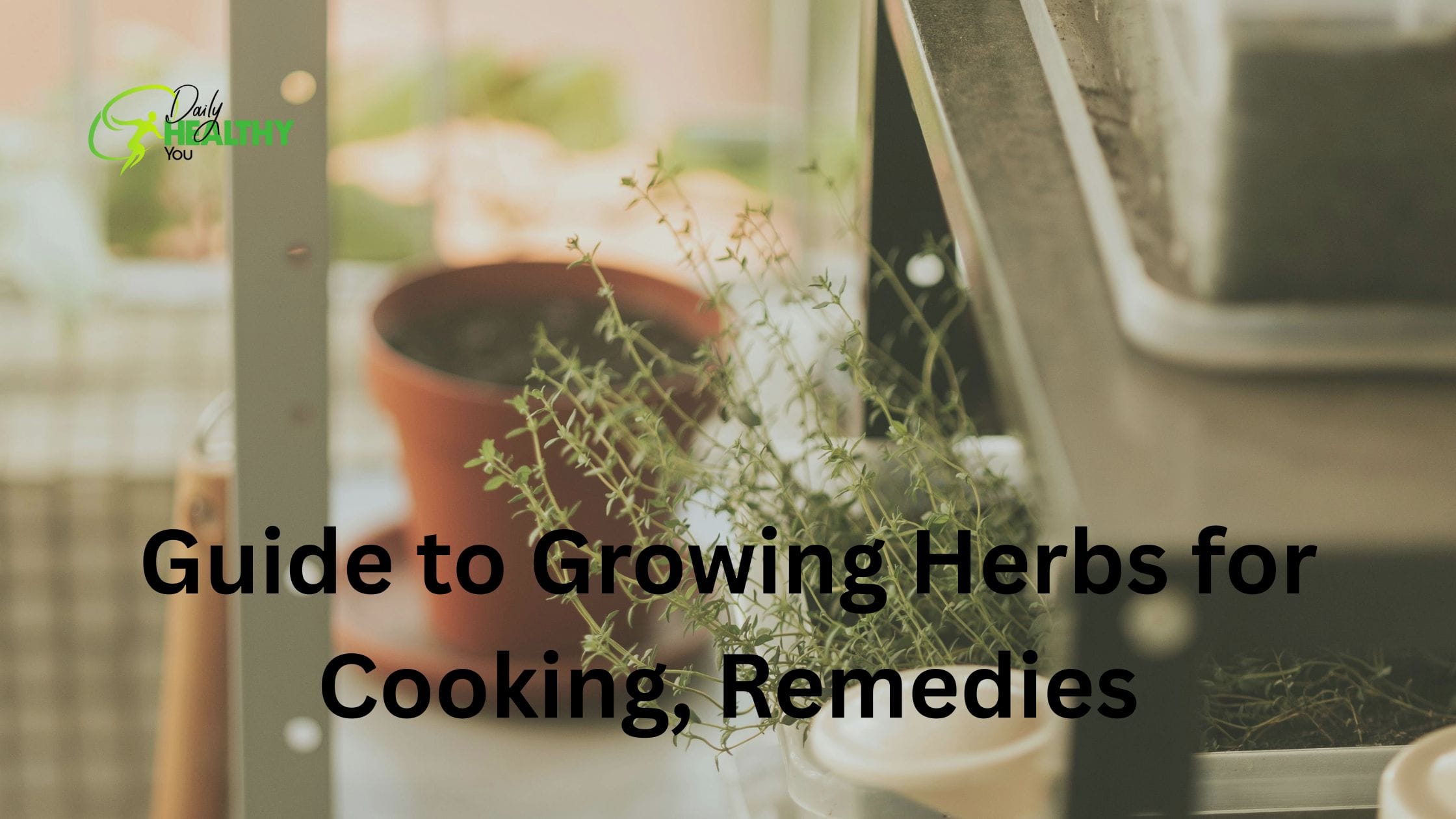
Growing Herbs for Cooking, Remedies: Best Guide
Herbs and spices are essential for adding flavor, aroma, and nutrition to your meals. While fresh herbs from the store can be expensive, growing your own herb garden at home is an easy and cost-effective solution. Not only will you have access to fresh herbs whenever you need them, but you’ll also enjoy the satisfaction of cultivating your own food.
Whether you have a backyard or just a sunny window, growing herbs at home is simple, low-maintenance, and perfect for beginners. Most herbs are hardy, inexpensive, and thrive with minimal care.
Benefits of Growing Herbs at Home
- Freshness and Flavor – Homegrown herbs maintain maximum flavor and nutrients, unlike older store-bought herbs.
- Cost Savings – Growing herbs at home reduces the need to purchase pricey fresh herbs.
- Medicinal Uses – Many herbs, such as mint, rosemary, and sage, have natural medicinal properties.
- Convenience – With herbs just outside your door, you can easily harvest what you need for cooking.
- Year-Round Availability – Indoor herb gardens allow for fresh herbs even during the off-season.
Growing Herbs Indoors
Even if you live in an apartment or have limited outdoor space, you can still enjoy fresh herbs. Indoor herb gardens can be grown in small pots, containers, or window boxes.
Tips for Indoor Herb Gardening:
- Place herbs in a sunny spot that receives at least 6–8 hours of sunlight per day.
- If sunlight is limited, consider using a grow light.
- Choose herbs that thrive indoors, such as basil, mint, parsley, and thyme.
- Water moderately and ensure proper drainage to prevent root rot.
How to Start an Outdoor Herb Garden
For those with outdoor space, growing an herb garden allows for larger yields and more variety. Here’s how to get started:
- Choose a Location – Select a sunny spot close to your kitchen for convenience. Herbs require at least 6 hours of direct sunlight daily. Ensure the soil is well-drained.
- Prepare the Soil – Enrich garden soil with compost or manure to improve texture and fertility. Raised beds make soil preparation easier.
- Plant Seeds or Seedlings – Check each herb’s planting instructions. Some seeds can be sown directly outdoors after the last frost, while others may need indoor starting.
- Care for Your Garden – Keep herbs well-watered, remove weeds, and monitor for pests throughout the season.
- Harvest Herbs – Pick leaves as needed or cut entire stems. Herbs can also be dried for later use.
Top Herbs to Grow
Here’s a list of popular culinary herbs, their benefits, and tips for growing and harvesting them:
Sage
- Flavor: Pine and citrus notes, perfect for poultry and stuffing.
- Uses: Digestive aid, sore throat remedy, flavoring for sauces and broths.
- Growing: Easy from seed or cuttings; drought-tolerant.
- Harvesting: Pinch leaves for small amounts or cut stems for larger use. Allow time for regrowth.
Oregano
- Flavor: Classic Mediterranean taste for sauces, meats, and pizza.
- Uses: Culinary seasoning, skin healing, wart removal.
- Growing: Grow from seed or cuttings; drought-tolerant.
- Harvesting: Cut stems when plants reach 4–8 inches tall. Best flavor before flowering.
Rosemary
- Flavor: Woody, pine-like; retains flavor after drying.
- Uses: Roasts, broths, tea for health benefits, skin and hair care.
- Growing: Best started indoors; space for spread as it can grow up to 4 feet.
- Harvesting: Cut young stems; prune older growth for plant health.
Thyme
- Flavor: Mild, floral, herbaceous; pairs well with poultry and lamb.
- Uses: Respiratory support, antioxidant, digestive aid.
- Growing: Buy plants or cuttings; hard to grow from seed.
- Harvesting: Pick leaves and sprigs as needed; flavor remains consistent through season.
Peppermint
- Flavor: Bright and refreshing, easy to identify.
- Uses: Tea for digestion, relaxation, air freshening.
- Growing: Best from plant or cutting; grows aggressively, use container to control spread.
- Harvesting: Harvest all season; pick before flowering for strongest flavor.
Basil
- Flavor: Sweet and aromatic; essential for Italian and Thai cuisine.
- Uses: Cough and cold relief, digestive aid, blood sugar regulation.
- Growing: Easy from seed; likes sun, fertile soil, and regular watering.
- Harvesting: Pinch leaves above a leaf pair; avoid taking too much at once.
Dill
- Flavor: Distinct taste for salads, pickles, and dressings.
- Uses: Digestive aid, flavoring for fermentation, culinary seasoning.
- Growing: Direct sow seeds after frost; doesn’t transplant well.
- Harvesting: Leaves harvested after 4 leaves appear; seed heads for pickling when plant flowers.
Parsley
- Flavor: Mild, versatile; used in broths, pesto, and marinades.
- Uses: Supports GI and urinary health.
- Growing: Start indoors 10–12 weeks before frost; transplant 2–4 weeks before frost.
- Harvesting: Cut outer stems 2 inches above ground when plant is mature.
Cilantro
- Flavor: Complex, citrusy; staple in Mexican, Indian, and Asian cuisine.
- Uses: Pesto, guacamole, digestive support, skin health.
- Growing: Plant small batches regularly; grows fast but bolts in heat.
- Harvesting: Trim one-quarter of the plant at a time; save seeds (coriander) for later use.
Tips for Successful Herb Garden
- Start small with 3–5 herbs if you’re new.
- Learn the specific needs of each herb for sunlight, watering, and spacing.
- Harvest regularly to encourage new growth.
- Use containers for herbs that spread aggressively.
- Dry or freeze excess herbs for long-term storage.
Conclusion
Creating an herb garden at home is not only simple but also incredibly rewarding, offering the satisfaction of having fresh, flavorful, and nutrient-rich herbs available throughout the entire year to support both your cooking and your overall health. Even if you’re new to gardening, you can start small by selecting a few of your favorite herbs, experimenting with different planting techniques, and observing how they grow in your space.
Over time, as you gain confidence and experience, you can gradually expand your garden to include a wider variety of herbs, including both culinary and medicinal types. Whether you choose to cultivate your herbs indoors on a sunny windowsill or outdoors in a dedicated garden bed, a thriving and aromatic herb garden is within easy reach, ready to enhance your cooking, support your health, and add beauty and greenery to your home environment.