
Using Herbal Tea During Fever
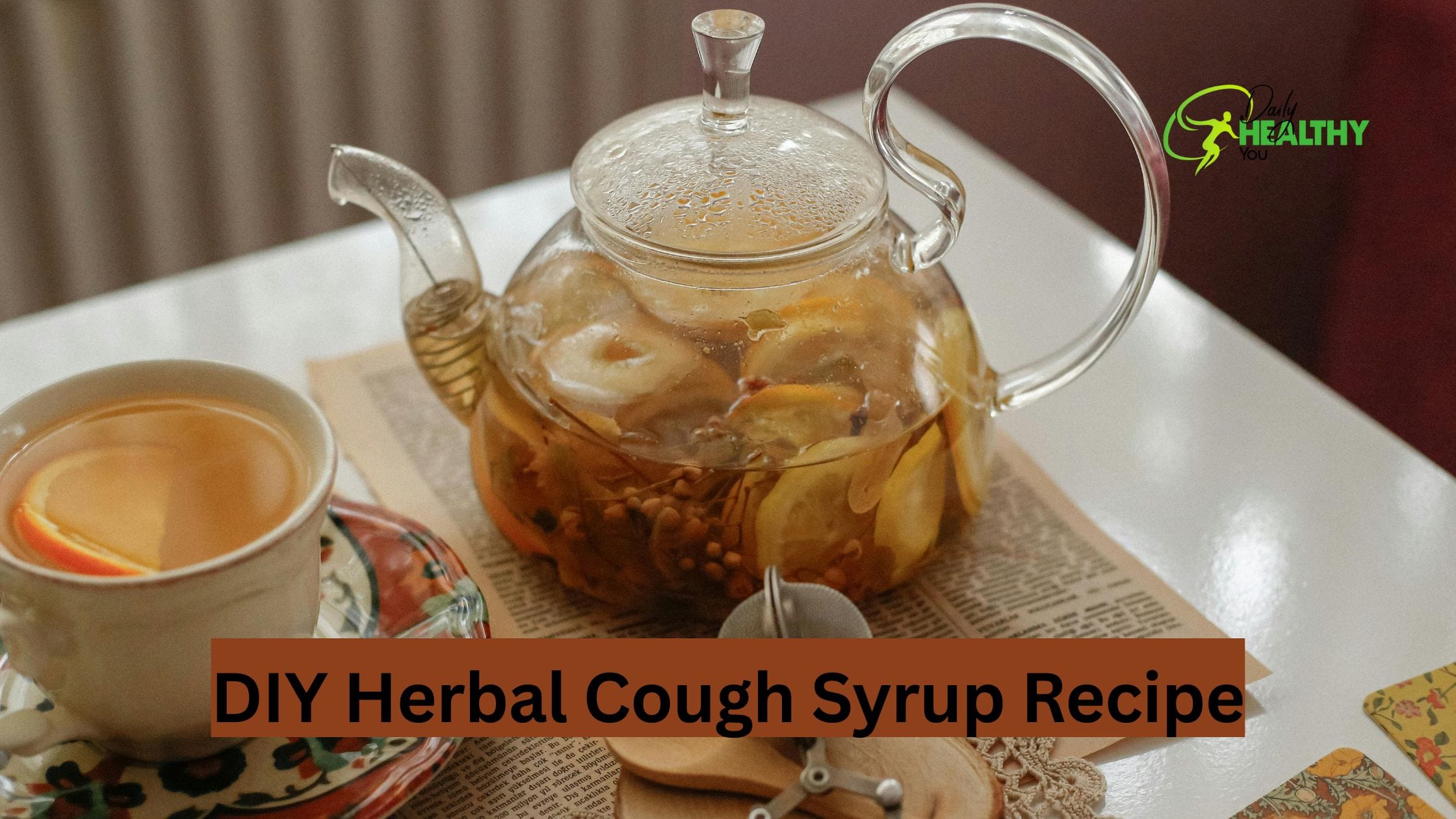
Fevers often trigger worry and discomfort, yet they are typically a natural, protective response by the body rather than an immediate danger. While conventional drugs such as acetaminophen or ibuprofen may reduce temperature quickly, they can sometimes interfere with the body’s innate defence mechanisms. Herbal tea, on the other hand, provide a simple, soothing approach: steeped botanicals deliver vitamins, minerals, antioxidants and compounds that support the body’s processes. By offering warmth, hydration and active botanical agents, a well-chosen tisane becomes a thoughtful companion when the body is working through a fever.
How to Use Herbal Tea to Reduce Fever
Although scientific studies strongly indicate that fevers are usually protective and seldom pose serious risks, experiencing one—or seeing someone else go through it—can still be uncomfortable. The common reaction is to take medications like ibuprofen or acetaminophen for quick relief. However, doing so may interfere with the body’s natural healing response and could potentially extend the duration of the illness. Regular or excessive use of these medicines also carries certain overlooked health risks.
While medical attention is essential for rare, severe cases of fever, most mild fevers can often be managed safely at home. In such instances, herbal teas offer a gentle, effective, and natural way to support the body’s recovery process.
Why Herbal Tea?
Herbal teas are among the most effective ways to enjoy the natural healing properties of herbs. When herbs are steeped in boiling water, their vitamins, minerals, and antioxidants become more easily absorbed by the body. These teas are not only simple to prepare but are also pleasant-tasting, making them suitable for all ages, including children.
Although herbal teas may look and taste like regular tea, they are technically not “true” teas since they do not come from the Camellia sinensis plant—the source of black, green, and oolong teas. Instead, herbal teas are made by steeping the leaves, roots, seeds, flowers, or bark of various medicinal plants. Known as “tisanes,” these botanical infusions have been used for centuries to promote wellness and strengthen the immune system.
Common herbs used in fever, cold, and flu remedies include cinnamon, ginger, yarrow, elderflower, chamomile, chrysanthemum, catnip, and peppermint. Each offers its own unique set of health benefits and soothing effects.
So, how can a simple cup of herbal tea offer what a pain reliever cannot? Scientific research suggests that these natural infusions help support the body’s healing process, providing comfort and relief while enhancing recovery.
6 Benefits of Herbal Tea During Fevers
Herbal tea is widely recognized for its health benefits and pleasant taste, but its effectiveness as a natural fever remedy is often overlooked. Studies now support the traditional use of herbal infusions during fever, showing that they can help the body recover in several ways:
- Warm and gently stimulate the body’s natural healing response
- Encourage detoxification through mild sweating
- Provide essential hydration to prevent dehydration
- Relieve discomfort and reduce body aches
- Deliver immune-boosting vitamins, minerals, and antioxidants
- Promote relaxation and better sleep for faster recovery
Modern research aligns with centuries of traditional use, indicating that herbal teas are a gentle yet effective way to support the body’s defense system during illness. Let’s explore how these soothing brews work to ease fever symptoms naturally.
1. Herbal Tea Warms and Stimulates the Body
Feeling chills and body aches is often an early indication that the body is beginning to fight off an infection. While many view fever as something harmful, it actually serves as a natural defense mechanism—raising body temperature to make conditions less favorable for bacteria and viruses.
Drinking a warm herbal tea can support this process by gently increasing body heat and enhancing circulation. Beyond the warmth of the beverage itself, certain stimulating herbs contain active compounds that help boost blood flow, allowing immune cells to travel more efficiently throughout the body to combat infection.
Some of the most effective stimulating herbs for fever relief include:
- Peppermint
- Ginger
- Garlic
- Cloves
- Coriander
Interestingly, these herbs are also common in culinary use and are known for their strong aroma and flavor—traits that hint at their natural stimulating and immune-supporting properties.
2. Herbal Tea Detoxifies Through Sweating
As fever increases body temperature—enhanced by stimulating herbs—the body naturally responds by opening the pores to induce perspiration, helping regulate and prevent overheating.
This process of sweating not only cools the body but also aids in natural detoxification by eliminating toxins. Certain aromatic herbs, known as diaphoretics, enhance this effect when brewed into herbal teas. Herbs like yarrow, thyme, bee balm, and ginger support the body’s self-regulating healing process, making herbal infusions a gentle and effective way to promote recovery during a fever.
3. Herbal Tea Hydrates
Dehydration, rather than the fever itself, can pose a greater risk during illness. Maintaining proper fluid intake is essential, especially when the body is fighting an infection.
Hydration is particularly important for children experiencing a fever, as their smaller bodies can lose fluids more quickly. While options like plain water, bone broth, or a homemade electrolyte drink help maintain fluid balance, herbal teas provide the added benefits of immune support, soothing warmth, and medicinal properties from the herbs themselves, making them an excellent choice for overall recovery.
4. Herbal Tea Relieves Pain and Discomfort
A warm cup of herbal tea can do more than comfort—it can actively help reduce pain and inflammation associated with fever.
Non-steroidal anti-inflammatory drugs (NSAIDs) work by reducing inflammation, which is the main cause of pain. Many herbal teas contain natural compounds with similar analgesic and anti-inflammatory effects, often without the risks associated with long-term use of medications like liver damage.
For example, peppermint contains menthol, a natural muscle relaxant that helps ease body aches and soreness from fever. Research also highlights herbs such as turmeric, white willow bark, cat’s claw, powdered ginger, and even green tea as effective in relieving pain, with some studies showing ginger’s effects comparable to ibuprofen.
In addition to pain relief, herbal teas can help alleviate other discomforts commonly accompanying a fever, including congestion, sinus pressure, headaches, and digestive upset. By selecting the right combination of herbs, it’s possible to create a soothing infusion tailored to specific symptoms.
5. Herbal Tea Supports Immunity
Herbs such as chamomile and mint offer a variety of nutritional benefits, providing easily absorbed minerals like calcium, magnesium, iron, zinc, and copper. Similar to nutrient-rich bone broth, the body can efficiently digest and utilize the nutrients from herbs when prepared as a tea. For optimal benefits, most herbal teas should steep for 20–30 minutes to allow a full infusion of their active compounds.
Chamomile is particularly beneficial during a fever, offering gentle, nourishing support. Its naturally mild and slightly sweet flavor—with subtle hints of apple—makes it appealing to children. Chamomile can also be used in tincture form, which can be added to herbal teas to enhance both flavor and nutritional value.
Since the nutrient content of herbs varies depending on freshness and quality, it’s best to select organic herbs from reputable sources to ensure maximum benefit.
6. Herbal Tea Helps Relaxation (and Sleep)
Adequate sleep is one of the most powerful ways to support the immune system, particularly during a fever. While encouraging rest in children can be challenging, it becomes easier when they are feeling unwell.
Several herbs, including yarrow, catnip, mint, and chamomile, not only help reduce fever but also promote restful sleep. These herbs can be combined into a soothing herbal tea or used in natural tinctures to enhance relaxation. High-quality blends, whether homemade or store-bought, ensure maximum effectiveness, making these herbs a gentle, natural way to support recovery while encouraging better sleep.
How to Make Herbal Tea for Fever
Here’s a concise starter list of commonly used herbs for creating an effective herbal tea collection, many of which are often already available at home:
- Ginger (fresh or dried)
- Catnip
- Yarrow
- Mint
- Chamomile
- Cinnamon
For those new to preparing herbal teas, proper steeping and preparation are essential to unlock their full benefits. Following simple instructions ensures that each cup delivers maximum flavor and medicinal properties.
For other immune-boosting tea recipes, try:
Elderberry Tea: This herbal tea combines the warming and stimulating effects of cinnamon and turmeric with the immune-boosting properties of elderberries, creating a simple yet powerful remedy.
Fever-Calming Herbal Tea Recipe: This soothing blend is designed to provide relief during mild fevers and illnesses, supporting the body while promoting relaxation.
Ingredients (per cup):
- ½ tsp fresh ginger, minced
- ½ tsp dried catnip leaves
- ½ tsp dried yarrow flowers
- 1 tsp dried peppermint leaves
- 1 tsp dried chamomile flowers
- 1 pinch cinnamon (optional)
Instructions:
- Place all herbs in a cup, tea ball, or strainer.
- Boil water and pour it over the herbs.
- Cover the cup to retain steam and preserve essential oils.
- Steep for 10 minutes.
- Strain the tea or remove the tea ball/strainer before drinking.
This gentle herbal infusion helps calm symptoms, supports the immune system, and provides comforting warmth during a fever.
Conclusion
Herbal teas offer a natural, gentle, and effective way to support the body during a fever. From stimulating circulation and promoting sweating to providing hydration, pain relief, and immune-boosting nutrients, these botanical infusions work in harmony with the body’s own healing mechanisms. By incorporating herbs such as ginger, chamomile, peppermint, yarrow, catnip, cinnamon, and elderberry into warm teas, it’s possible to soothe discomfort, encourage recovery, and promote relaxation—all while enjoying a comforting beverage. With proper preparation and high-quality ingredients, herbal teas can become a reliable, safe, and enjoyable part of caring for yourself or your loved ones during illness.