Best Guide to Healthy Protein Sources
Protein is often misunderstood—second only to dietary fat in terms of controversy. While it’s available from a wide range of foods, people still debate which sources are the healthiest and how much the body actually requires. Some rely on meat, others on soy, dairy, or plant-based combinations. With so many conflicting viewpoints, choosing the right protein for your body can feel overwhelming. Understanding “the best sources of protein” is essential for building a balanced, nutrient-rich diet that truly supports long-term health.
This guide explains what protein is, why it matters, how sources differ, and how to build a diet that supports long-term health.
What Is Protein?
Protein is built from chains of amino acids. Out of the 20 amino acids used by the body, several are essential, meaning we cannot produce them internally and must obtain them from food. These amino acids support countless functions, including enzyme production, cellular repair, and hormone formation.
Why the Body Needs Protein
When you consume protein, the body breaks it down into amino acids that are used for:
- Strengthening the immune system
- Forming cell membranes
- Repairing tissues
- Transporting nutrients and oxygen
- Producing enzymes and hormones
Protein can also be converted to glucose if needed, though this is not the body’s preferred energy source. Long-term low-calorie or low-fat diets may force the body to break down muscle for fuel, making adequate protein intake essential for all ages—especially for growing children.
Complete vs. Incomplete Proteins
Protein sources fall into two categories:
1. Complete Proteins
These contain all essential amino acids and are easier for the body to absorb. Common sources include:
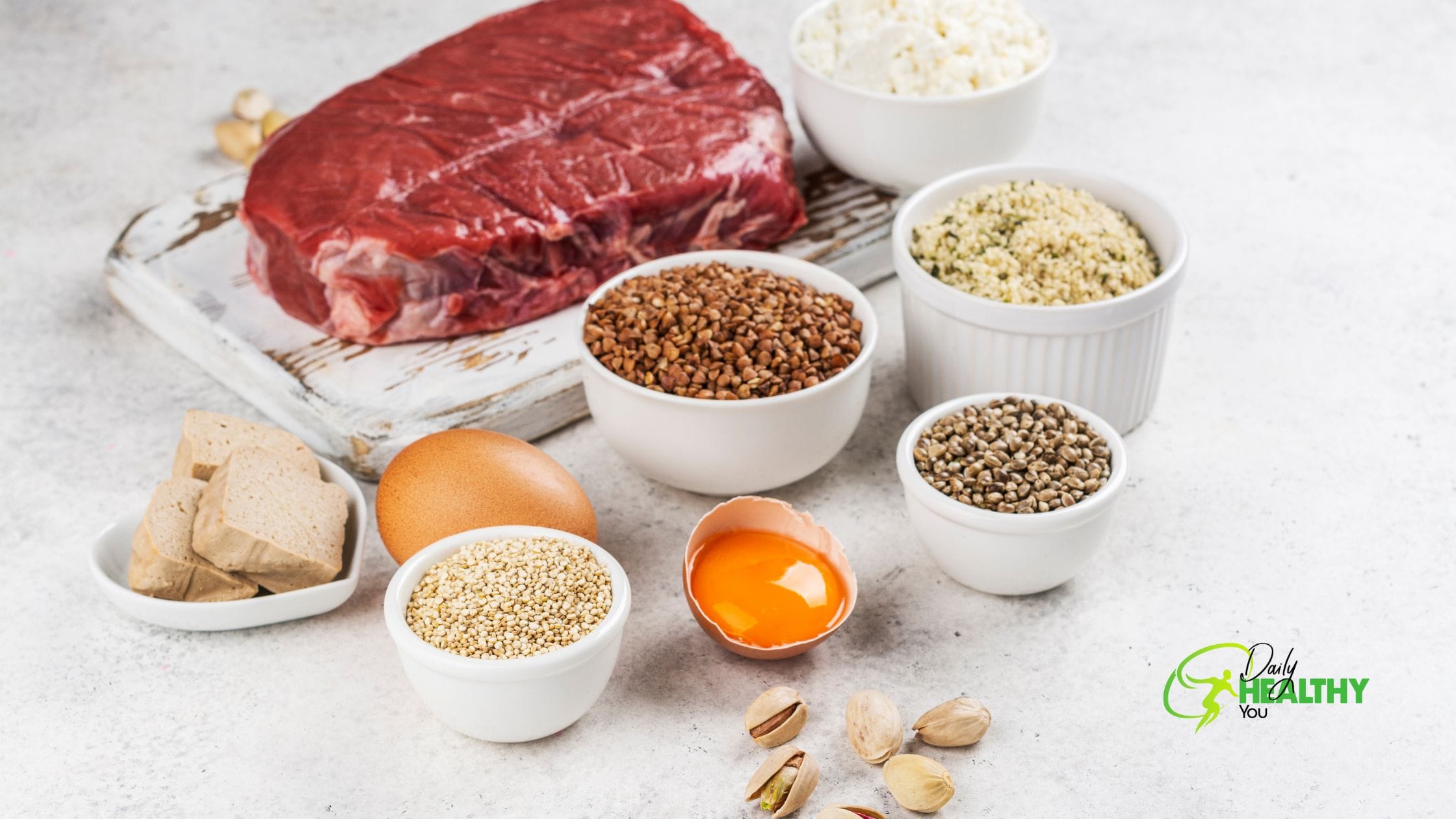
- Meat
- Fish
- Eggs
- Poultry
- Dairy
2. Incomplete Proteins
These lack one or more essential amino acids. Examples:
- Vegetables
- Beans
- Grains
- Nuts and seeds
While plant proteins can still be part of a healthy diet, they often need to be combined to supply all essential amino acids.
Is Meat the Best Protein Source?
Not all meat offers the same benefits. Animals raised on natural diets—such as grass-fed cattle—produce more nutrient-dense meat than those fed grain-based commercial feed. Grain-fed livestock often receive pesticides, herbicides, and antibiotics through their diet, which can affect both quality and nutrient composition.
Grass-Fed vs. Conventional Beef
Grass-fed beef typically contains:
- Higher omega-3 fatty acids
- More CLA (conjugated linoleic acid)
- Better overall fat composition
- Significantly higher micronutrient levels
Choosing grass-fed, free-range, and organically raised meat is ideal. Options include buying from:
- Local farmers
- Farmers markets
- Cow-share programs
- Trusted online regenerative agriculture sources
Best High-Protein Foods for a Healthy Diet
1. Grass-Fed Beef
A nutrient-rich protein packed with:
- B vitamins
- Omega-3 fatty acids
- Selenium
- Iron
- Zinc
- CLA
It offers superior nutritional value when sourced from grass-fed cattle.
2. Organ Meats
Organ meats such as liver and heart are among the most nutrient-dense foods available. They provide:
- Vitamin A
- Riboflavin (B2)
- Folate
- Copper
- Iron
- Essential minerals
Because of their nutrient density, they’re one of the most beneficial and cost-effective choices.
3. Pastured Chicken and Eggs
Pastured poultry delivers more nutrients than conventionally raised chicken. Eggs from pastured hens contain:
- Higher omega-3s
- More vitamin D
- Improved micronutrient profiles
They remain one of the most budget-friendly protein options.
4. Wild Game
Wild animals such as deer, elk, and turkey consume their natural diets, resulting in:
- Low fat content
- High nutrient density
- Clean protein without additives
5. Wild-Caught Seafood
Wild-caught fish provide high levels of:
- Omega-3 fatty acids
- Trace minerals
- Antioxidants such as astaxanthin
Salmon, sardines, and mackerel are top choices. Avoid farmed fish, which may have lower nutrient levels and higher exposure to contaminants.
6. Canned Sardines & Tuna
For a budget-friendly option:
- Choose wild-caught
- Avoid varieties packed in vegetable oils
- Prefer sardines or chunk-light tuna (lower in mercury)
Canned salmon is also a reliable choice.
7. Nuts, Seeds & High-Quality Dairy
While these provide incomplete proteins, they still add valuable nutrients:
- Raw organic nuts and seeds
- Full-fat yogurt
- Cottage cheese from grass-fed cows
They work well as secondary protein sources.
Proteins to Limit or Avoid
- Conventionally raised beef, poultry, and eggs
- Farm-raised fish
- Processed or sweetened dairy
- Nuts roasted in vegetable oils
- Soy products (except traditional fermented varieties)
- Legumes if poorly tolerated
How Much Protein Do You Need?
The RDA recommends 0.8 g per kilogram of body weight, but research suggests many people benefit from more.
Different experts recommend:
- 1.2–1.6 g per kg for general health
- Up to 1 g per pound for those wanting to build muscle
- Higher intake for pregnant women and active individuals
A typical adult usually needs 50–100 grams per day, depending on lifestyle and health goals.
Conclusion: Healthy Protein Sources
Protein is essential, but quality matters just as much as quantity. Prioritizing nutrient-dense sources such as grass-fed meats, pastured eggs, wild-caught seafood, and organ meats ensures your body receives the amino acids and micronutrients it needs for optimal function. When possible, choose food from animals raised on natural diets to maximize nutritional value and support better long-term health.