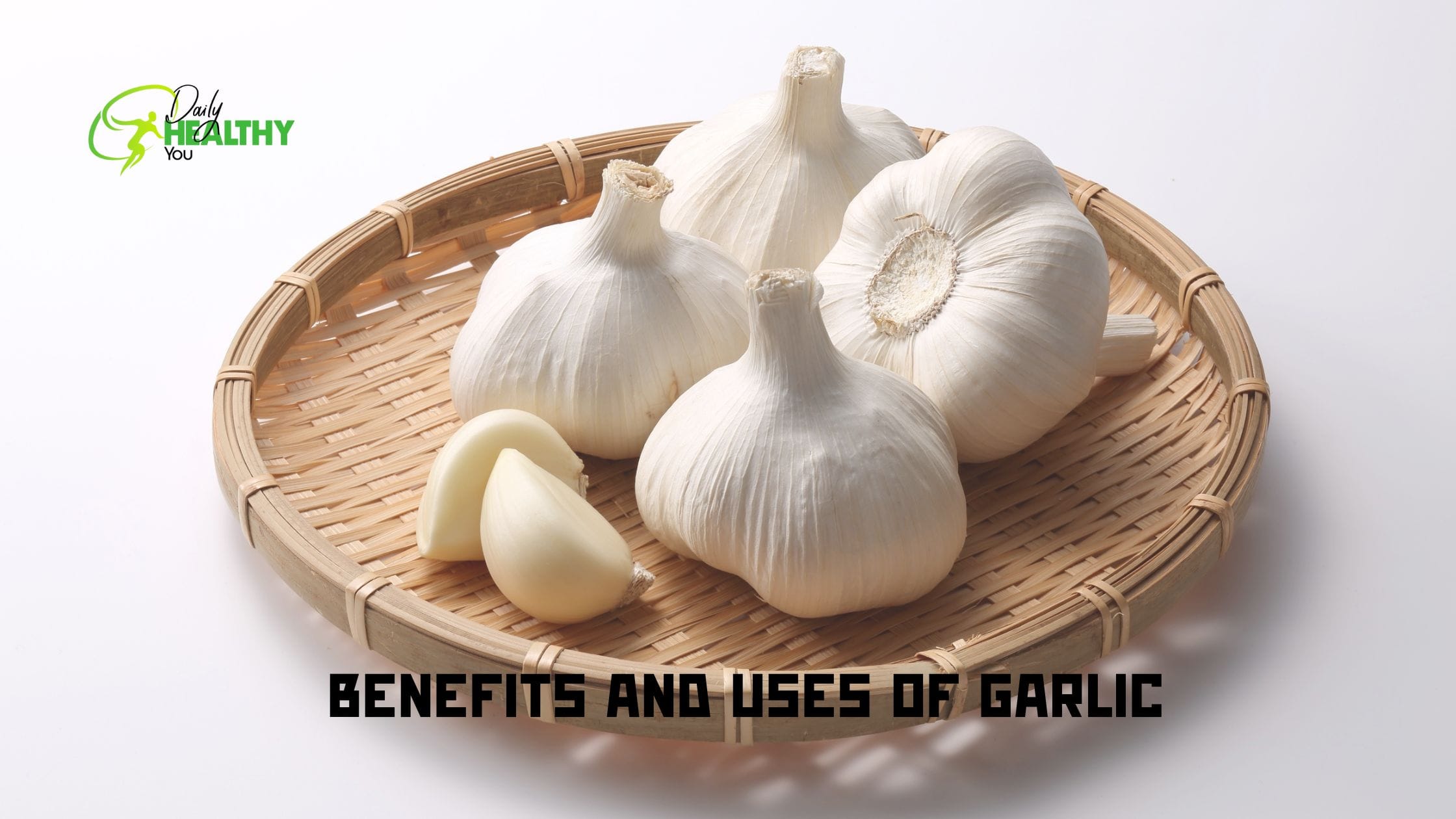
Benefits and Uses of Garlic
Garlic is one of the most widely used herbs in the world, valued not only for its strong flavor but also for its long history in traditional medicine. Available in multiple forms such as fresh cloves, powder, oil, and capsules, garlic has remained a staple ingredient across cultures for thousands of years.
Garlic Through History: From Ancient Beliefs to Modern Science
Garlic cultivation dates back over 5,000 years. Its reputation has varied greatly depending on the culture and time period. Ancient Egyptians highly valued garlic, considering it sacred and even using it as a form of currency. Laborers consumed garlic regularly, believing it increased strength and endurance.
In contrast, higher social classes in ancient Greece, India, and England often avoided garlic due to its strong aroma, considering it unsuitable for refined diets. Despite this divide, garlic maintained a strong association with protection and healing. Many ancient societies believed it could ward off evil spirits, prevent disease, and offer spiritual protection.
Garlic was also used during plagues and wars because of its antiseptic properties. Over time, these traditional beliefs encouraged further scientific investigation into garlic’s medicinal value.
Science-Supported Health Benefits of Garlic
Modern research supports many traditional uses of garlic, highlighting its role in overall health and disease prevention.
Supports Heart and Metabolic Health
Studies suggest garlic may help reduce blood pressure, improve cholesterol levels, and slow the progression of atherosclerosis. Certain garlic extracts have demonstrated effects comparable to some blood pressure medications in clinical trials. Garlic may also support blood sugar regulation and help lower triglyceride levels.
Promotes Hair Health
Topical garlic applications have shown potential benefits for reducing hair loss in some studies. Garlic-infused oil applied to the scalp may help improve circulation and support hair follicles, though sensitivity testing is recommended.
Antimicrobial and Antifungal Properties
Garlic contains allicin, a compound known for its antibacterial, antiviral, and antifungal activity. Research indicates garlic may help inhibit fungal infections such as athlete’s foot, although direct application should be diluted to avoid skin irritation.
Immune System Support
Garlic has been studied for its ability to support immune function. Some research indicates regular garlic consumption may reduce the frequency of common colds and flu, though its effect on shortening illness duration remains less conclusive.
Potential Role in Cancer Prevention
Garlic belongs to the allium family, which has been linked to reduced cancer risk in observational studies. Research suggests garlic may slow cancer cell growth and promote cell death in certain cancers, including stomach, colorectal, breast, prostate, and ovarian cancers. However, the optimal intake level for cancer prevention is still unknown.
Ear Health
Garlic oil has traditionally been used for ear discomfort due to its antimicrobial properties. When prepared correctly and used cautiously, garlic oil may help manage mild ear infections.
Group B Streptococcus (GBS) Research
Laboratory studies indicate garlic extracts can inhibit GBS bacteria under controlled conditions. However, clinical evidence in humans is limited, and further research is required before drawing firm conclusions.
Ways to Consume Garlic Safely
According to medical references, the following intake ranges are generally considered safe for adults:
- Fresh garlic: 2–4 grams daily
- Aged garlic extract: 600–1,200 mg per day
- Garlic capsules: 200 mg up to three times daily (standardized)
- Garlic oil: Small doses used under guidance
Always consult a healthcare professional before using garlic supplements, especially for medicinal purposes.
Possible Side Effects and Precautions
Garlic is classified as “Generally Recognized as Safe” (GRAS) when consumed as food. However, excessive intake or concentrated supplements may cause side effects such as:
- Digestive discomfort
- Bloating or nausea
- Strong body odor or bad breath
- Skin irritation from topical use
Garlic may not be suitable for individuals with bleeding disorders, low blood pressure, sensitive digestion, or those preparing for surgery. It can also interact with certain medications, including blood thinners and diabetes drugs.
Common Uses of Garlic
Garlic can be incorporated into daily routines in multiple ways:
- Added to cooked meals and salad dressings
- Used in infused oils for topical applications
- Consumed raw or lightly crushed for maximum allicin content
- Taken as capsules or extracts when dietary intake is insufficient
Garlic-infused solutions are also sometimes used in gardening and natural pest control.
Conclusion
Garlic remains one of the most extensively researched and widely used herbs in both traditional healing systems and modern wellness practices across the world. Its long history of culinary and therapeutic use highlights its potential role in supporting various aspects of health, including immunity, cardiovascular function, and metabolic balance. However, despite its many beneficial properties, garlic should always be used thoughtfully and responsibly. It is best incorporated as part of a balanced, nutrient-rich diet and a healthy lifestyle rather than relied upon as a single solution. While garlic may complement overall wellness and preventive care, it should never be considered a replacement for professional medical advice, diagnosis, or treatment.