
Best Diet for Flu Season
As the holiday season approaches, many people focus on enjoying festivities while also trying to stay healthy. This period—from Halloween to New Year—is not only filled with celebrations but also coincides with peak cold and flu season. Strengthening the immune system through proper nutrition is one of the most effective ways to protect against seasonal illnesses. A well-balanced diet, rich in proteins, healthy fats, and nutrient-dense vegetables, can enhance the body’s natural defenses and support faster recovery if illness occurs. In this blog, we explore practical dietary strategies and supplements to help maintain immunity and overall wellness during the cold and flu season.
Immune-Boosting Diet for Flu Season And Cold
As the holiday season approaches, many people focus on improving their health. Beyond typical resolutions like exercising more or eating better, this time of year coincides with peak flu season, making it essential to take proactive steps to strengthen the immune system. A well-planned diet can significantly improve the body’s ability to fight off cold and flu viruses.
Proteins for Immunity and Health
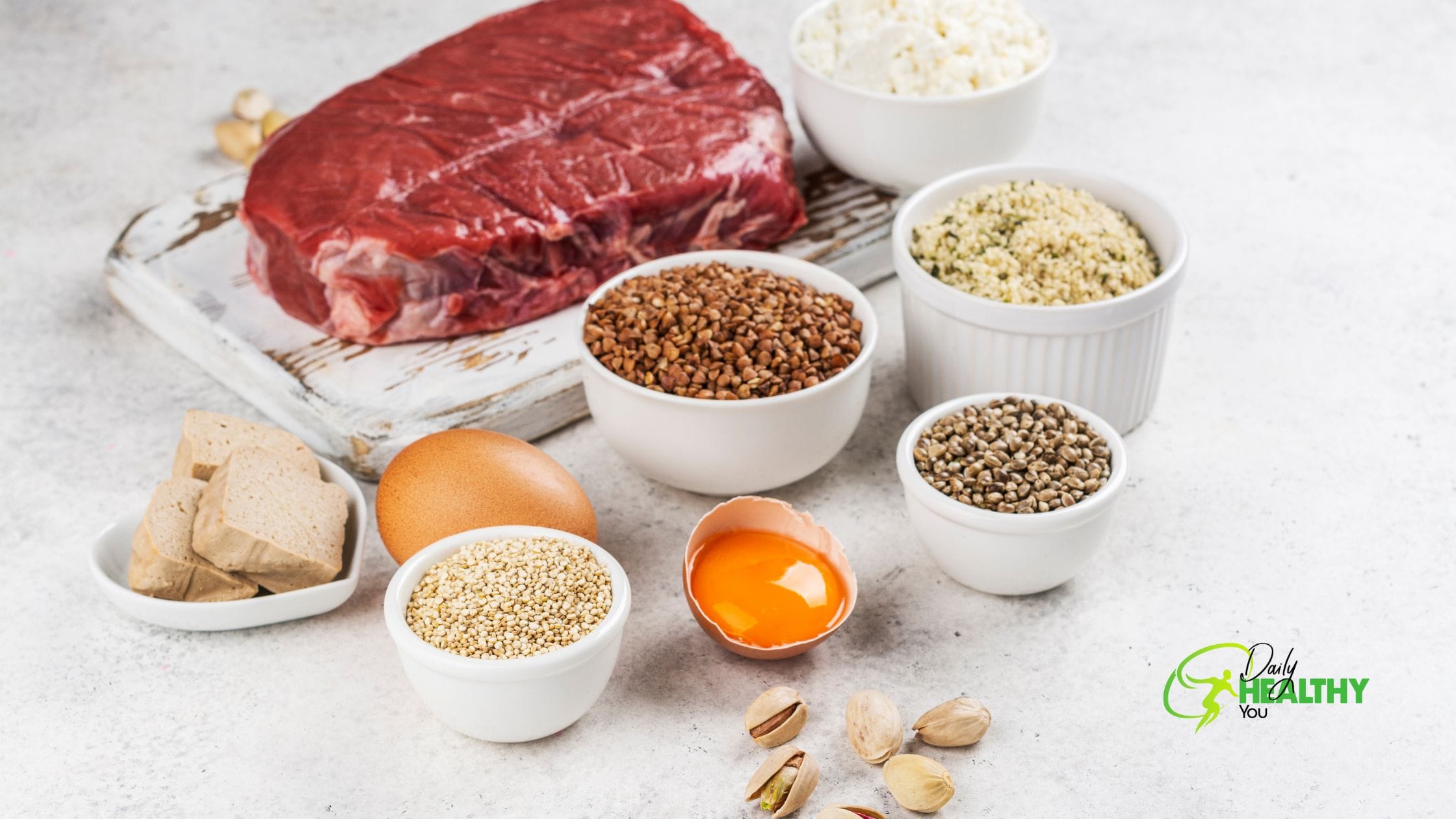
Proteins are fundamental for maintaining health, supporting immune function, and assisting in cell repair and growth. Antibodies, hormones, and enzymes—key components of the immune system—are all protein-based. Adults typically require around 1 gram of protein per 2.2 pounds of body weight, ensuring sufficient intake to maintain optimal function.
Recommended sources of protein include:
- Organic grass-fed beef
- Free-range poultry
- Organic dairy (if tolerated)
- Real-food protein powders
- Pastured eggs
- Bone broth and soups
Bone broth, in particular, is linked to improved immune function, making chicken soup a traditional remedy for recovery during illness. High-quality store-bought broths prepared from real ingredients can also provide these benefits.
Healthy Fats to Strengthen the Immune System
Contrary to outdated beliefs, healthy fats are essential for overall health and immune function. They provide energy, support hormone production, and aid in the absorption of fat-soluble vitamins (A, D, E, K). Saturated and monounsaturated fats, when sourced from minimally processed foods, are especially beneficial.
Key sources of healthy fats include:
- Olive oil
- Coconut oil
- Avocados
- Nuts and seeds
- Krill oil
- Raw dairy
- Pastured eggs
Avoid polyunsaturated vegetable oils, hydrogenated fats, and trans fats, as these can negatively impact health.
Vegetables: Nutrient Powerhouses
Vegetables supply essential vitamins, minerals, and antioxidants that support immune function. Organic or locally grown options often contain higher nutrient levels. To maximize immune benefits, prioritize non-starchy vegetables such as:
- Leafy greens (spinach, kale, mustard greens)
- Peppers and tomatoes
- Garlic and onions
- Celery and asparagus
- Broccoli and cabbage
- Mushrooms, green beans, and snow peas
Vegetable intake can be increased through smoothies, salads, or using protocols like the Wahls Protocol for more structured nutrition.
Limiting Sugar and Refined Carbs
Excessive sugar and refined carbohydrates can weaken the immune system. Pure sugar provides no nutrients, pulls minerals from the body, and contributes to insulin resistance and fatty liver disease. Studies show sugar can suppress immune function, making it particularly harmful during illness or for preventing infections. Avoid white flour, processed grains, and other high-glycemic foods during cold and flu season.
Supplements and Natural Remedies
Certain supplements and natural remedies can support the body when fighting colds and flu:
- Saline Nasal Rinse: Helps decongest without medications; safe for children.
- Xylitol Nasal Rinse: More effective than saline in some cases for congestion.
- Vitamin C: Supports immune function; natural sources like camu camu and acerola are preferred.
- Zinc: Can reduce severity and duration of colds; low-dose lozenges are commonly used.
- Vitamin D: Essential for immunity, weight management, and mental health. Sunlight exposure is ideal; supplementation should be monitored.
- Bee Propolis: Antibacterial, antimicrobial, and anti-inflammatory properties make it beneficial for sore throats and colds.
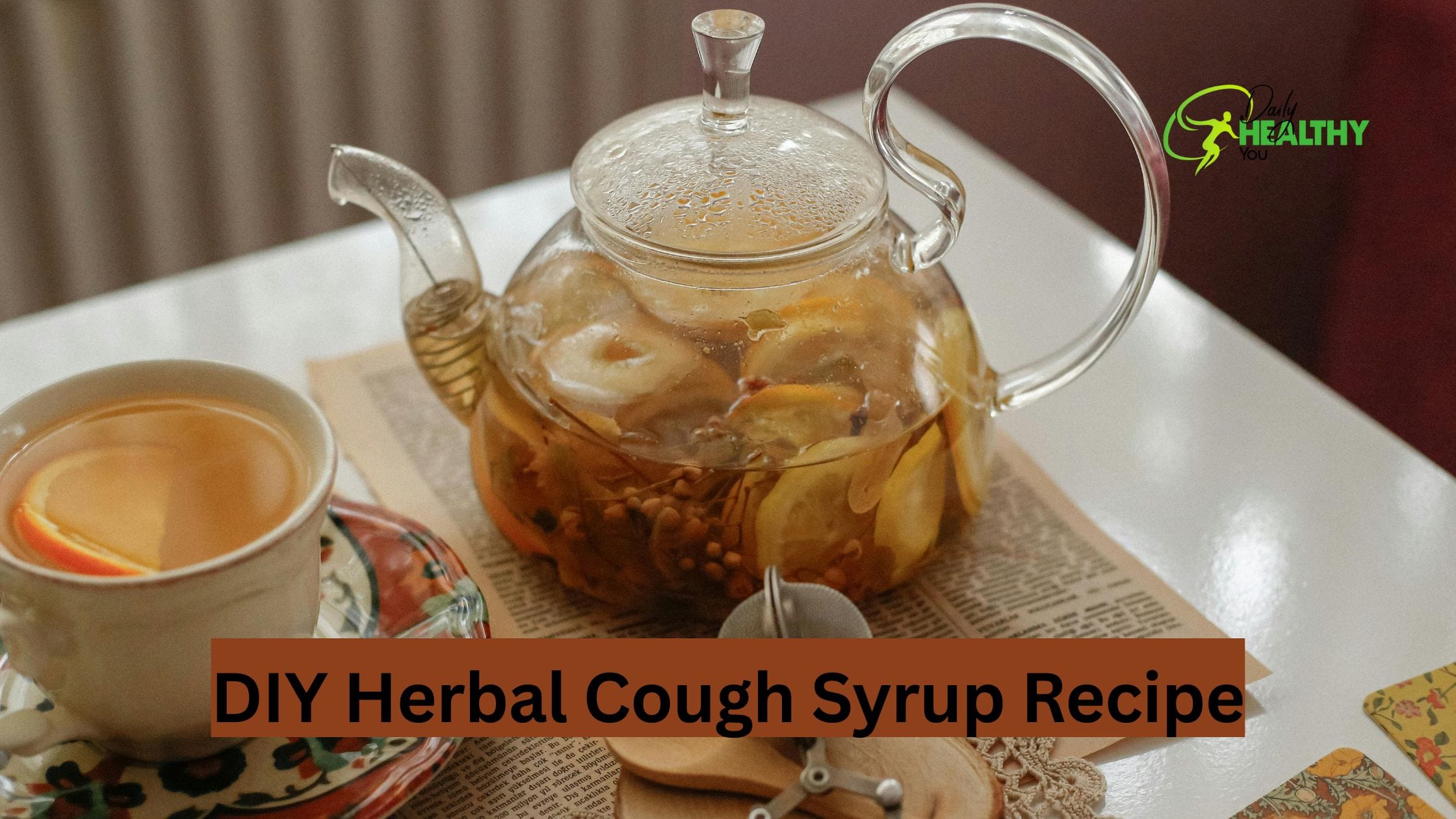
- Herbal Teas: Herbs like mint, chamomile, sage, nettle leaf, and elderberry offer immune support and hydration.
Additional Strategies
- Garlic: Contains antimicrobial and antiviral compounds; can be incorporated into meals or consumed with honey.
- Soup Detox: Seasonal soup cleanses can support the body by eliminating toxins and enhancing nutrient absorption.
Conclusion
A nutrient-dense diet is the foundation of immune defense. Consuming high-quality proteins, healthy fats, abundant vegetables, and avoiding sugar and refined carbohydrates helps maintain health and resilience against seasonal illnesses. Incorporating supplements, herbal remedies, and preventive practices further strengthens the body’s natural defenses, helping to reduce the severity and duration of colds and flu.