Are Essential Oils Safe for Pets? Best Guide
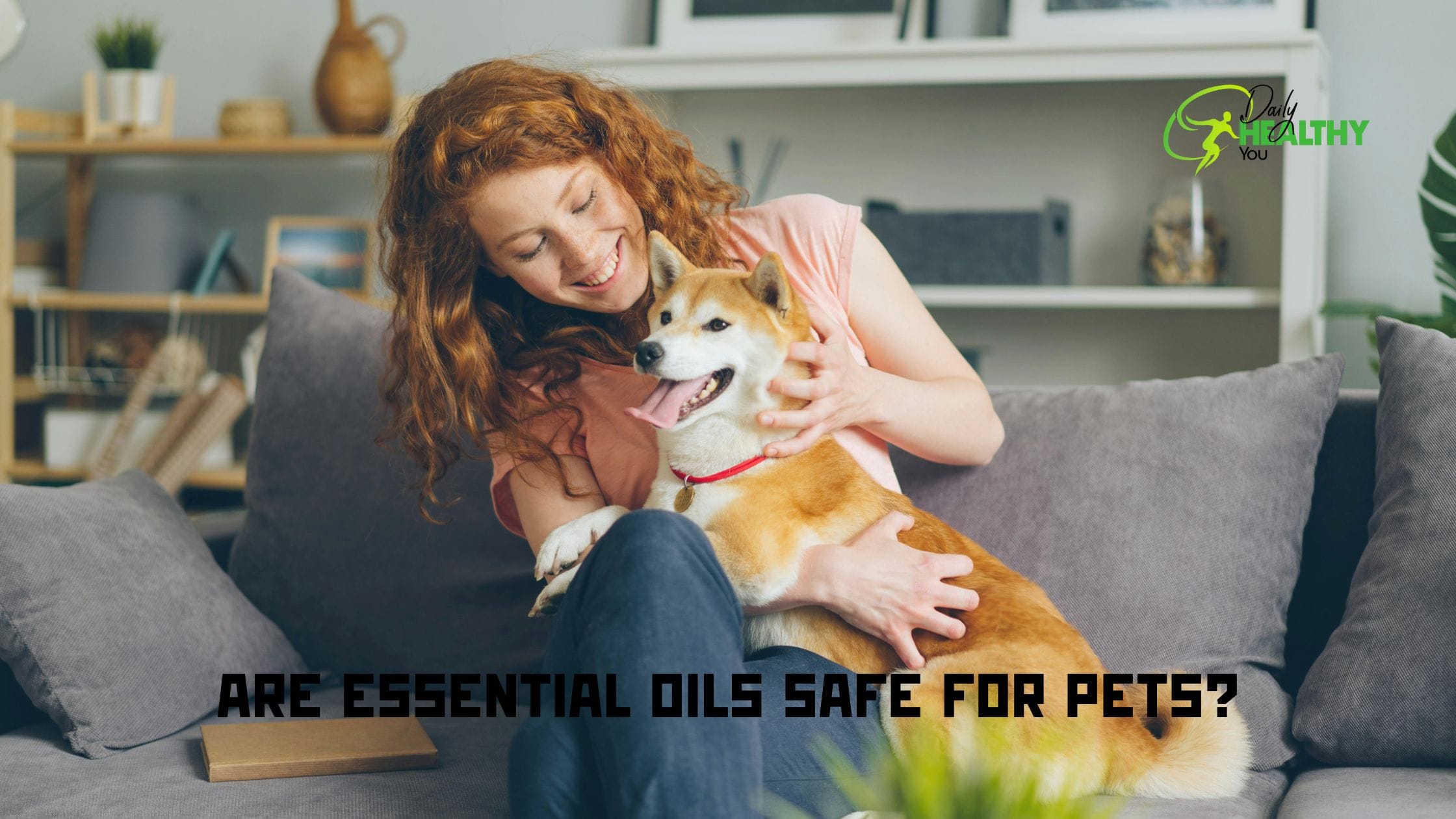
Essential oils are widely used in natural living, but their safety around pets is often misunderstood. While they come from plants, bottled essential oils are extremely concentrated and can affect animals differently than humans. Pets have more sensitive systems, and certain oils can easily overwhelm them or cause adverse reactions if used incorrectly.
Using Essential Oils Around Pets
Essential oils can be used around pets, but only with strict precautions. Animals—especially cats and dogs—have a much stronger sense of smell, and intense aromas can feel irritating or stressful.
Safe Diffusion Practices
- Always use essential oils in heavily diluted form.
- Keep diffusers out of reach so pets do not spill or lick the diffuser water.
- Start with small amounts and monitor the pet’s behavior.
- Allow the pet to have a clear exit from the room.
- Only diffuse in well-ventilated spaces.
- Avoid continuous, all-day diffusion.
Signs of discomfort include lethargy, eye irritation, unusual breathing patterns, or attempts to leave the area.
Essential Oils and Dogs
Research indicates that dogs may respond positively to certain essential oils. Some oils may support relaxation or reduce anxiety when diffused properly.
Examples noted in studies:
- Lavender may help promote calmness.
- Ylang-ylang has shown relaxing effects in controlled environments.
Topical Use on Dogs
Topical application must be:
- Extremely diluted in a carrier oil
- Kept away from eyes, ears, nose, and genital areas
- Used only under professional guidance, as dogs may lick the applied area
Improper topical use may lead to ingestion, which can be toxic.
Essential Oils and Cats
Cats require special caution. Their liver lacks certain enzymes that help break down essential oil compounds, making them more vulnerable.
According to aromatherapy safety guidelines:
- Diffuse only highly diluted oils
- Limit diffusion to short sessions
- Ensure there is proper airflow
- Watch closely for any signs of stress
Topical Use on Cats
Topical application is generally discouraged unless it is a cat-safe product with extremely high dilution. Some oils, such as tea tree, can be harmful even in small amounts.
Oils Considered Toxic for Pets
Some essential oils are consistently identified as unsafe for animals, especially in concentrated forms.
Avoid using the following around pets:
- Tea tree
- Eucalyptus
- Pennyroyal
- Cinnamon
- Clove
- Thyme
- Oregano
- Oils high in phenols (e.g., anise, basil, clove, oregano)
These oils may irritate the respiratory system, cause neurological symptoms, or lead to poisoning if ingested.
Essential Oils and Other Pets
Different species have different levels of sensitivity:
Hind-Gut Fermenters (Horses, Rabbits)
Avoid oils with antibacterial properties, as they can disrupt gut bacteria balance.
Birds
Birds are extremely sensitive due to their respiratory system. Use only under professional guidance.
Small Animals (Chinchillas, Rodents)
Small pets absorb oils more quickly. Diffusion should be extremely diluted, and topical use should be avoided entirely.
General Safety Recommendations
- Consult a veterinarian for guidance.
- Avoid all oils around hind-gut–fermenting animals.
- Use extreme caution with cats, birds, and small pets.
- Always dilute essential oils heavily before use.
- Do not add oils to pet water or food.
- Keep oils away from sensitive areas of the body.
- Avoid phenol-rich and “hot” oils.
- Store all essential oils in a secure, pet-proof area.
- Observe pets carefully during and after diffusion.
- Seek veterinary help immediately if distress symptoms appear.
Conclusion: Essential Oils Safe for Pets
Essential oils can offer many benefits, but their use around pets must be approached with caution to protect their overall health. Animals have more sensitive systems than humans, and improper exposure can lead to stress, irritation, or even toxicity. By choosing pet-safe oils, using heavy dilution, limiting diffusion time, and monitoring pets closely, essential oils can be incorporated into the home more safely. Always consult a veterinarian before introducing new oils, avoid known toxic varieties, and ensure that pets can leave the area if they feel uncomfortable. Responsible use and awareness are key to maintaining a safe and healthy environment for every animal in the household.