Is Sparkling Water Healthy? Best Guide
Sparkling water has become a popular alternative for those who want a refreshing drink without turning to sugary beverages. While plain filtered water remains the best choice for daily hydration, many people enjoy the occasional fizzy drink for variety. However, not all sparkling water products are created equal. This detailed guide explains what sparkling water is, its benefits, potential drawbacks, and how to choose the healthiest options.
What Is Sparkling Water?
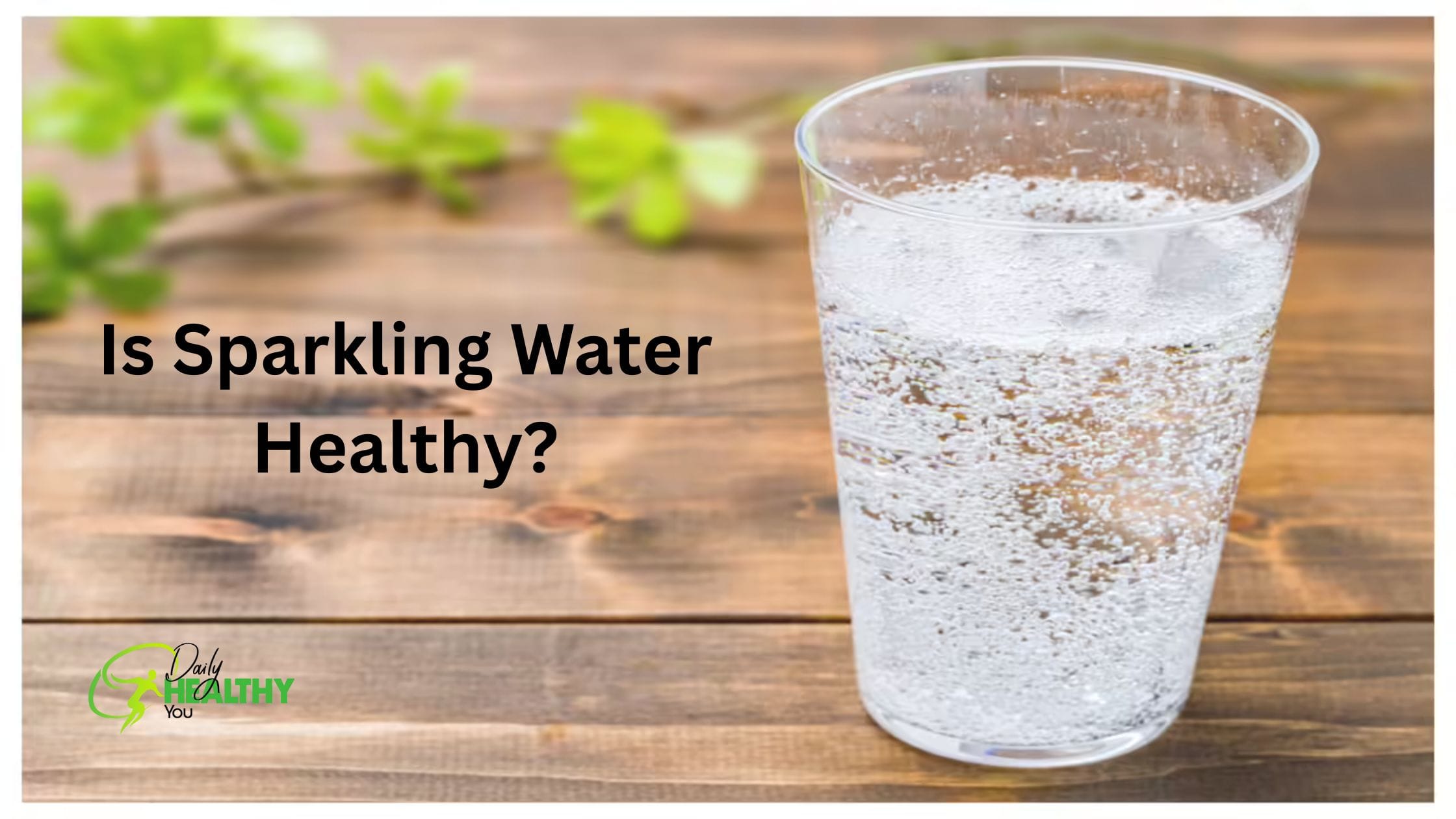
Sparkling water is simply water infused with carbon dioxide gas, either naturally or through a manufacturing process. When carbon dioxide dissolves in water, it forms carbonic acid, which is responsible for the characteristic fizz.
Historically, carbonated water was discovered in natural springs and was originally consumed for therapeutic purposes. Over time, artificially carbonated water—often referred to as seltzer—became widely available. Another variation is club soda, which contains added minerals such as sodium bicarbonate, sodium citrate, potassium sulfate, and disodium phosphate. In modern usage, “sparkling water” and “seltzer” are often used interchangeably.
Benefits of Carbonated Water
Even though it is simple, sparkling water offers several notable advantages.
1. A Healthier Option Than Soda
Sparkling water does not contain sugar, artificial sweeteners, or high-fructose corn syrup like sodas do. For those who crave carbonation, it offers the same effervescence without the negative health effects associated with soft drinks.
2. May Support Digestive Comfort
Research indicates that carbonated water may help improve digestion. Studies have shown that sparkling water can support better indigestion relief, gallbladder emptying, and bowel movement regularity. For some individuals, the carbonation may ease symptoms such as nausea or mild stomach discomfort.
3. Provides Beneficial Minerals (When Choosing Mineral Water)
Sparkling mineral water naturally contains essential minerals, including magnesium, calcium, and bicarbonate. These minerals support hydration and contribute to various metabolic and physiological functions.
4. Potential Support for Healthy Blood Sugar Levels
Some studies have found that mineral water containing bicarbonate may support better blood sugar control. Bicarbonate plays a role in maintaining the body’s pH balance, which can influence glucose regulation.
Flavored Sparkling Water: Is It Healthy?
Flavored sparkling waters differ from unflavored varieties because they often contain natural or artificial flavorings. While “natural flavor” sounds harmless, these additives are highly processed and do not contribute nutritional value. Flavor-enhanced beverages may also include citric acid, which increases acidity and may affect dental enamel over time.
Some flavored options also contain added sugars or artificial sweeteners, so ingredient labels should always be checked before consumption.
Does Sparkling Water Cause Weight Gain?
Sparkling water contains no calories, sugars, or sweeteners, meaning it does not directly cause weight gain. However, some research suggests carbonation may stimulate hunger hormones by creating a brief sense of emptiness in the stomach. Conversely, other studies indicate carbonated drinks may temporarily promote satiety.
Individual responses vary, so monitoring how your body reacts is recommended.
Effects on Dental Health
Concerns about sparkling water’s acidity are common, yet scientific evidence does not classify unflavored sparkling water as harmful to tooth enamel.
Key findings include:
- Soft drinks are significantly more erosive to enamel than sparkling water.
- Unflavored sparkling water is far less corrosive than soda.
- Mineral content in sparkling mineral water may help offset potential acidity.
- Flavored sparkling water containing citric acid poses a higher risk and may contribute to enamel erosion.
Unflavored sparkling water is generally considered safe for teeth, especially when paired with a good oral care routine.
Can Sparkling Water Replace Regular Water?
Sparkling water can contribute to hydration, and mineral water can provide additional electrolytes. However, seltzer and carbonated water should not completely replace plain water.
Points to consider:
- Sparkling water may create a sensation of fullness, reducing overall water intake.
- Seltzer lacks the minerals found in natural mineral water, and excessive consumption may slightly affect electrolyte balance.
- A combination of filtered water, mineral water, and occasional seltzer provides the best overall hydration approach.
Healthy Alternatives to Sparkling Water
For those who want more options beyond plain or carbonated water, several healthy beverages offer hydration and beneficial nutrients:
Fermented Drinks
- Kombucha
- Water kefir
- Switchel
These drinks are typically low in sugar and rich in probiotics.
Naturally Sweetened Drinks
- Electrolyte sports drinks (homemade versions)
- Natural ginger ale
- Homemade root beer
Non-carbonated Hydrating Options
- Fruit-infused water
- Iced tea
- Herbal tea blends
These alternatives provide flavor without excessive sugars or artificial ingredients.
Should You Drink Sparkling Water?
Sparkling water can be a healthy part of your beverage choices when consumed mindfully. Here are the key guidelines:
- Choose sparkling mineral water for maximum health benefits and added minerals.
- Balance your intake by drinking plenty of regular filtered water.
- Avoid flavored varieties that contain citric acid, sweeteners, or unnecessary additives.
- Consider making your own sparkling water using filtered water and CO₂ cartridges to ensure purity and avoid plastic and aluminum containers.
When consumed wisely, sparkling water is a refreshing, low-risk beverage that can fit easily into a healthy lifestyle.
Conclusion: Is Sparkling Water Healthy?
Sparkling water can be a healthy and refreshing addition to your daily beverage choices when selected carefully and consumed in moderation. Unflavored varieties—especially natural mineral water—offer hydration benefits without the sugars, additives, or artificial ingredients found in sodas and flavored carbonated drinks. While flavored seltzers may contain acids or sweeteners that can impact dental health, choosing plain sparkling water minimizes these risks. The best approach is to enjoy sparkling water alongside regular filtered water and other nutritious drinks, ensuring balanced hydration and overall wellness. By understanding the differences between carbonated options, readers can make informed choices that support their health and lifestyle.