Home Remedies for Acne: Ways to Treat Your Skin
Acne is one of the most common skin problems faced by people of all ages, especially teenagers and young adults. It can appear on the face, back, chest, and even shoulders, causing discomfort, self-consciousness, and in some cases, scars. While commercial products are widely available, many of them contain harsh chemicals that can irritate sensitive skin. That’s why more people are turning to home remedies for acne, which offer natural, gentle, and effective alternatives for managing breakouts.
In this comprehensive guide by Daily Healthy You, we explore proven remedies, lifestyle tips, and preventive measures to help you achieve clearer and healthier skin naturally.
Understanding Acne: Causes and Triggers
Before diving into home remedies, it’s important to understand what causes acne. Acne occurs when hair follicles become clogged with oil (sebum), dead skin cells, and bacteria. The severity can range from mild whiteheads and blackheads to severe cystic acne.
Some common causes of acne include:
- Hormonal changes: Puberty, menstrual cycles, pregnancy, and stress can increase hormone levels, leading to excess oil production.
- Excess sebum production: Overactive sebaceous glands make skin oily, which clogs pores.
- Bacterial infection: Propionibacterium acnes is a bacteria that can cause inflammation.
- Poor diet: High sugar, dairy, and processed foods may contribute to breakouts.
- Stress: Stress triggers cortisol release, which may worsen acne.
- Genetics: Acne can run in families.
Understanding these factors helps in choosing the right home remedies for acne and creating an effective skincare routine.
Top Home Remedies for Acne
Here are some of the most effective home remedies for acne that can help reduce inflammation, unclog pores, and promote healthier skin naturally.
1. Tea Tree Oil
Tea tree oil is a natural antibacterial and anti-inflammatory agent that targets acne-causing bacteria.
How to use:
- Mix 1-2 drops of tea tree oil with a carrier oil like coconut or jojoba oil.
- Apply the mixture directly to acne spots using a cotton swab.
- Leave it for 20–30 minutes, then rinse with lukewarm water.
Tip: Always do a patch test to avoid skin irritation.
2. Aloe Vera
Aloe vera has soothing, anti-inflammatory, and healing properties, making it an ideal remedy for acne-prone skin.
How to use:
- Extract fresh aloe vera gel from the leaf.
- Apply it directly on the affected areas.
- Leave it for 30 minutes before washing with water.
Aloe vera also helps reduce acne scars and promotes skin regeneration.
3. Honey and Cinnamon Mask
Both honey and cinnamon have antibacterial properties that fight acne-causing bacteria.
How to use:
- Mix 2 tablespoons of honey with 1 teaspoon of cinnamon powder.
- Apply the mixture as a mask on the face.
- Leave for 10–15 minutes, then rinse thoroughly.
Use this mask 2–3 times per week for best results.
4. Apple Cider Vinegar
Apple cider vinegar contains organic acids that can kill bacteria and reduce oiliness.
How to use:
- Dilute apple cider vinegar with water (1 part vinegar to 3 parts water).
- Apply with a cotton ball to the affected areas.
- Leave it for 5–10 minutes, then rinse.
Warning: Avoid using undiluted vinegar as it can burn the skin.
5. Green Tea
Green tea is rich in antioxidants, which reduce inflammation and inhibit bacterial growth.
How to use:
- Brew green tea and let it cool.
- Apply the tea to the skin using a cotton ball or spray bottle.
- Leave it for 10–15 minutes, then rinse.
You can also drink green tea daily to improve skin health from the inside.
6. Lemon Juice
Lemon juice has antibacterial and astringent properties that help dry out pimples and reduce oiliness.
How to use:
- Apply freshly squeezed lemon juice to acne spots with a cotton swab.
- Leave it for 10 minutes, then rinse with water.
Caution: Lemon juice can make your skin sensitive to sunlight. Always use sunscreen after application.
7. Turmeric
Turmeric has anti-inflammatory, antibacterial, and antioxidant properties, making it effective for acne treatment.
How to use:
- Mix 1 teaspoon of turmeric powder with enough honey or yogurt to make a paste.
- Apply it to acne-affected areas.
- Leave for 15–20 minutes, then rinse with lukewarm water.
Regular use can also help reduce acne scars.
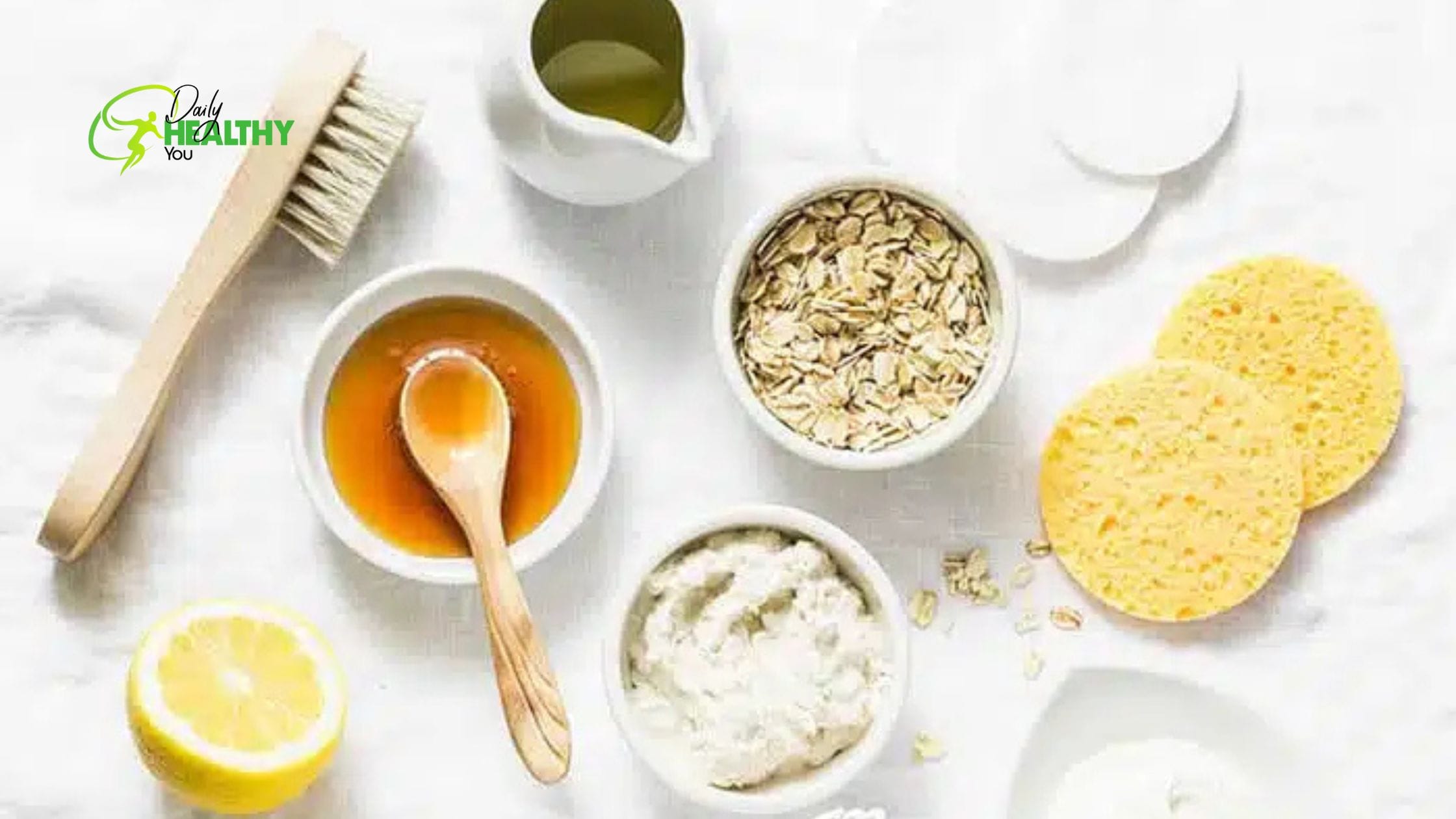
8. Oatmeal Mask
Oatmeal helps absorb excess oil, exfoliate dead skin cells, and soothe inflammation.
How to use:
- Mix 2 tablespoons of oatmeal with water or yogurt to make a paste.
- Apply on the face for 15–20 minutes, then rinse.
Oatmeal can be used 2–3 times a week for mild acne and sensitive skin.
9. Cucumber
Cucumber has cooling and hydrating properties that calm inflamed skin.
How to use:
- Blend cucumber into a paste or slice it thinly.
- Apply directly to the skin for 15–20 minutes.
This remedy is especially helpful for reducing redness and swelling associated with acne.
10. Garlic
Garlic contains sulfur compounds that have antibacterial properties.
How to use:
- Crush a garlic clove and apply the juice to small acne spots.
- Leave for 5–10 minutes, then rinse.
Caution: Garlic can be irritating, so avoid leaving it on the skin for too long.
Lifestyle Tips to Prevent Acne
While home remedies are effective, combining them with healthy lifestyle habits ensures long-term acne control.
1. Maintain Healthy Diet
- Include more fruits, vegetables, and whole grains.
- Limit sugar, dairy, and processed foods.
- Drink plenty of water to flush out toxins.
2. Keep Your Skin Clean
- Wash your face twice daily with a gentle cleanser.
- Avoid harsh scrubs that can irritate the skin.
- Never pick or squeeze pimples, as this can cause scarring.
3. Manage Stress
- Practice yoga, meditation, or deep breathing exercises.
- Adequate sleep and relaxation help regulate hormone levels.
4. Avoid Heavy Makeup
- Use non-comedogenic products that do not clog pores.
- Remove makeup before going to bed to prevent breakouts.
5. Exercise Regularly
- Regular physical activity improves blood circulation and reduces stress.
- Shower immediately after workouts to prevent sweat from clogging pores.
Acne Myths and Misconceptions
Many people struggle with acne because of common myths:
- Myth 1: Only teenagers get acne.
- Fact: Adults can develop acne due to hormonal changes, stress, or lifestyle factors.
- Myth 2: Sun exposure helps acne.
- Fact: While sunlight can dry out pimples temporarily, it may worsen inflammation and cause skin damage.
- Myth 3: Acne is caused by dirty skin.
- Fact: Acne is mostly caused by hormones, bacteria, and excess oil, not dirt.
Understanding these myths can help you avoid ineffective or harmful treatments.
When to Consult a Dermatologist
While home remedies are useful for mild acne, consult a dermatologist if:
- Acne is severe or cystic.
- Pimples cause pain, bleeding, or scarring.
- Over-the-counter treatments and home remedies fail to work.
A dermatologist can prescribe treatments such as topical creams, antibiotics, or hormonal therapy for persistent acne.
Conclusion
Acne can be a frustrating and challenging skin problem, but with the right approach, it can be managed effectively. Incorporating home remedies for acne such as tea tree oil, aloe vera, honey, and turmeric, along with healthy lifestyle habits, can significantly reduce breakouts and improve skin health.
Remember, consistency is key. Avoid harsh chemicals, focus on natural remedies, and make dietary and lifestyle changes for long-lasting results. With patience and proper care, you can achieve clearer, healthier skin naturally.
Daily Healthy You encourages everyone to embrace these natural solutions and maintain a skincare routine that nurtures both skin and overall wellness.