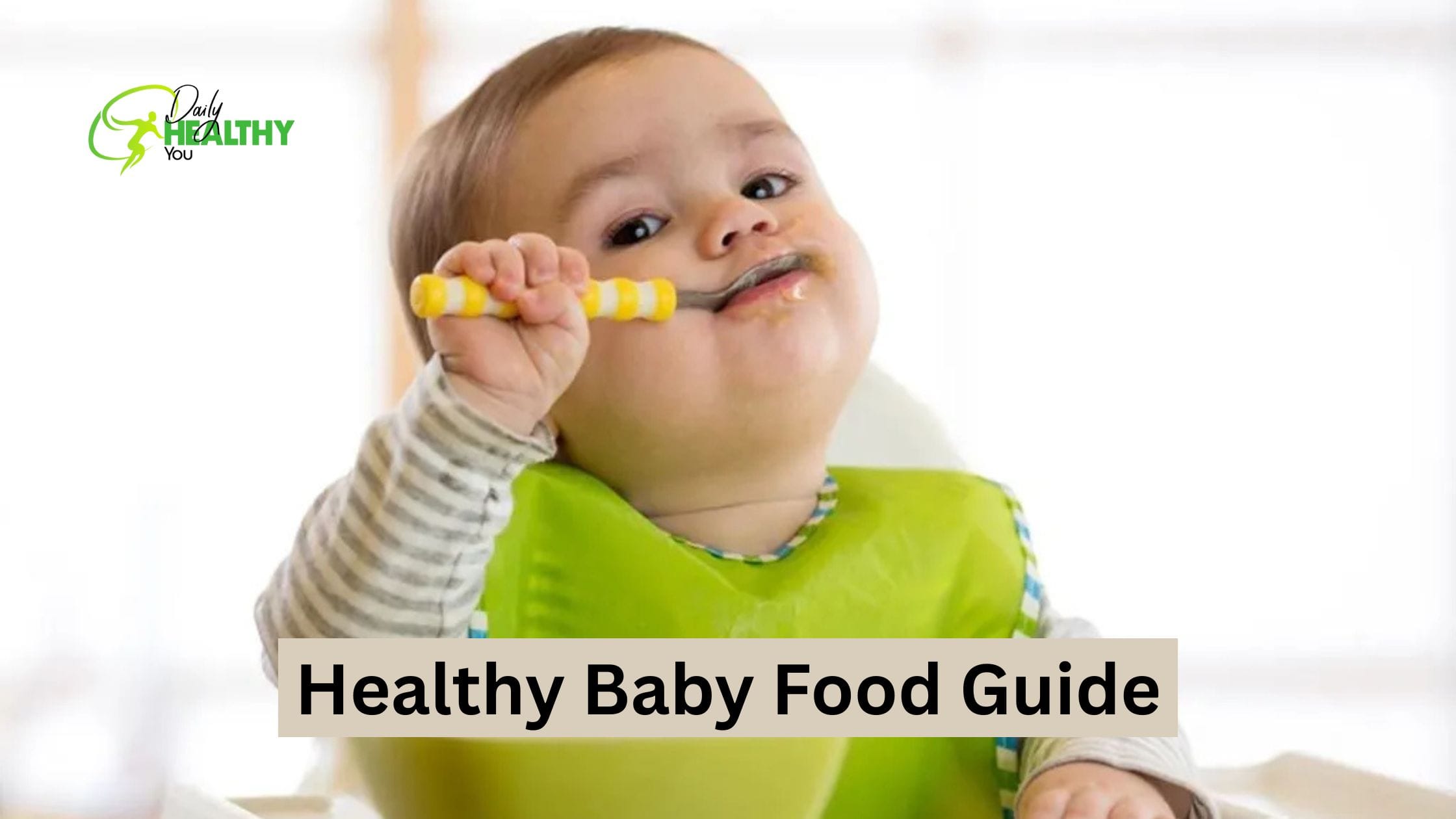
Healthy Baby Food: Best Guide
Ensuring your baby receives proper nutrition is one of the most important steps you can take for their growth and development. While convenience often drives parents toward store-bought baby foods, homemade options can be both simple and highly nutritious. Many commercial baby foods, despite being convenient, may not be the ideal first foods for infants. Understanding what your baby truly needs can help establish healthy eating habits from the start.
The Basics: What Babies Need
Babies require nutrient-dense foods in small amounts due to their tiny bodies. Harmful foods can have a proportionally larger impact, while healthy, nutrient-rich foods can provide lasting benefits. For this reason, it is critical to focus on whole, minimally processed foods when introducing solids.
Breast Milk: Nature’s Perfect First Food
Breast milk is widely recognized as the healthiest initial food for infants, recommended by organizations such as the World Health Organization (WHO) and the American Academy of Pediatrics (AAP). It provides an ideal balance of fatty acids, protein, antibodies, and other nutrients that adapt as your baby grows.
Breastfeeding offers numerous benefits for both baby and mother:
- Reduces the risk of sudden infant death syndrome (SIDS)
- Provides protection against infections
- Supports cognitive development
- Lowers risk of certain cancers and postpartum complications in mothers
Despite these advantages, only around 35% of U.S. mothers breastfeed exclusively for the recommended six months.
Alternatives to Breastfeeding
When breastfeeding is not possible or suitable, high-quality formulas and homemade alternatives can provide necessary nutrition. Real-food formulas made from carefully selected ingredients can closely replicate the benefits of breast milk.
Introducing Solid Foods
Solid foods are typically introduced around six months, or when a baby can sit up, grasp objects, and shows interest in food. Timing should align with developmental readiness rather than a strict calendar date.
Common Mistakes with First Foods
Many parents begin with iron-fortified rice cereal, followed by sweetened purees or starchy vegetables. However, these choices may not align with natural nutritional needs.
- Rice and starchy foods are difficult for infants to digest because babies produce limited amylase, the enzyme needed to break down starches.
- Sweet foods first can create a preference for sugary flavors, making it harder to introduce vegetables and other nutrient-dense foods later.
Instead, it is often more effective to start with nutrient-rich, low-allergen foods that provide essential minerals like iron and zinc naturally.
Nutrient-Rich First Foods
Here are recommended options for introducing solid foods in a healthy and natural progression:
1. Broth
Broth is rich in gelatin, amino acids, and minerals, supporting gut health and nutrient absorption. It provides a gentle introduction to solids while promoting a healthy intestinal lining. Serve small amounts in a spoon or bottle, either homemade or from high-quality pre-made options.
2. Meat and Liver
Grass-fed or pastured meats and liver are excellent first foods due to their complete protein profile and natural iron content. Finely grated or pureed, these foods are easily digestible and highly nutritious. Liver, in particular, acts as a natural multivitamin.
3. Low-Allergen Fruits and Vegetables
Bananas and avocados are ideal early foods. Bananas contain amylase, aiding digestion, while avocados provide healthy fats, folate, iron, fiber, and potassium. These can be served mashed or combined with other foods.
4. Butter and Vegetables
Introduce grass-fed butter for healthy fats and vitamin K2, and slowly add non-starchy vegetables. Cook until soft, then mash or puree to allow safe self-feeding.
5. Mixed Foods and Finger Foods
Once your baby is comfortable with single ingredients, offer combinations and finger foods. This encourages independent eating and exposes them to different textures and flavors.
Early Allergen Introduction
Recent studies suggest introducing allergenic foods—such as peanut, egg, and milk—between 4–6 months to reduce the risk of developing food allergies. Consult your pediatrician for guidance, and consider safe, convenient products designed to introduce allergens in controlled amounts.
Homemade Baby Food: Why It Matters
Making baby food at home offers multiple benefits:
- Higher nutrient content: Freshly prepared foods retain more vitamins and minerals than commercial jars.
- Full control of ingredients: Avoid unnecessary fillers and preservatives.
- Cost-effective: Homemade foods are generally cheaper than pre-packaged alternatives.
- Reduced exposure to plastic: Minimize contact with endocrine-disrupting chemicals from packaging.
Homemade baby food can be easy to prepare and store. Simple steaming, mashing, or pureeing methods can quickly turn dinner leftovers into nourishing baby meals. Reusable containers and freezer-safe jars make storage convenient.
Conclusion
The key to healthy baby food is nutrient density, simplicity, and gradual introduction of real, minimally processed foods. Start with protein- and fat-rich foods like broth, meat, and liver, then slowly incorporate fruits, vegetables, and mixed textures. Homemade options provide superior nutrition, allow control over ingredients, and help develop lifelong healthy eating habits. By choosing thoughtfully and introducing foods strategically, parents can set the foundation for a lifetime of wellness.