Natural Homemade Hand Sanitizer
Many people prefer natural hygiene solutions over commercial hand sanitizers and antibacterial soaps. While exposure to everyday bacteria is generally not harmful, overuse of harsh chemical cleaners can sometimes disrupt hormones or contribute to antibiotic-resistant bacteria.
In 2016, the FDA banned triclosan, a common ingredient in antibacterial soaps, because of its hormone-disrupting properties and its role in creating resistant bacterial strains. This shows the importance of understanding what goes into everyday hygiene products.
Why Limit Hand Sanitizer Use
Regular handwashing with soap and warm water for at least 30 seconds is often as effective as antibacterial products. Over-reliance on commercial sanitizers may contribute to “superbugs” that resist antibiotics, and some chemicals can have negative effects on children’s health.
Research also suggests that early exposure to a variety of bacteria can help children develop stronger immune systems and reduce the risk of allergies and asthma.
Building Strong Immunity Naturally
A focus on strong immune systems is essential for natural protection:
- Eat a balanced diet with fermented foods and beverages.
- Limit sugar intake.
- Encourage outdoor activities to benefit from sunlight and environmental bacteria.
Regular handwashing using natural soaps can help maintain hygiene without relying on harsh chemicals.
Benefits of Natural Hand Sanitizer
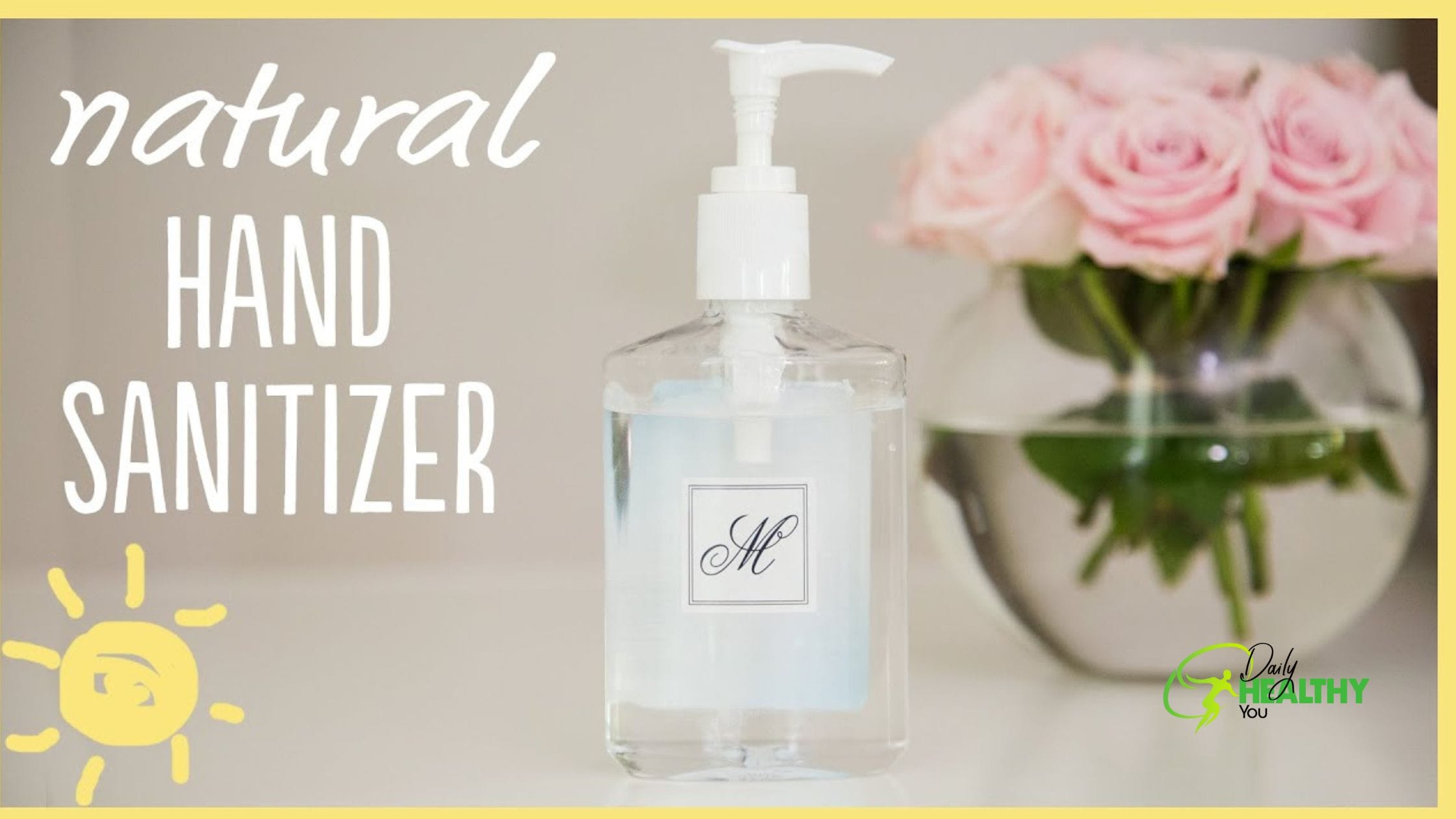
Natural hand sanitizers offer a safer and gentler alternative to many commercial products that often contain harsh chemicals or high concentrations of alcohol. These homemade or plant-based sanitizers frequently include essential oils, which are known for their natural antibacterial properties and may also provide some antiviral benefits.
One of the advantages of making your own hand sanitizer is that you can control the strength and ingredients, creating milder formulations that are safe for children or more sensitive skin, while preparing stronger versions for use in public spaces or high-risk environments. It is also important to remember that, according to CDC guidelines, hand sanitizers need to contain at least 60% alcohol to effectively inactivate viruses and provide reliable protection. Formulations with lower alcohol content act more like waterless soaps, offering some antibacterial benefits but not the full antiviral effect required for optimal safety in situations with high exposure risk.
DIY Hand Sanitizer Recipes
1. Strong Hand Sanitizer (Not for Children)
Ingredients:
- 1 TBSP rubbing alcohol
- 1/4 cup aloe vera gel
- 1/2 tsp vegetable glycerin (optional)
- 20 drops antibacterial-safe essential oils
- 1 TBSP distilled water or colloidal silver
Instructions:
- Mix aloe vera, glycerin, and alcohol.
- Add essential oils.
- Add water or colloidal silver and mix.
- Store in small bottles or tubes.
2. CDC-Recommended Hand Sanitizer (60%+ Alcohol)
Ingredients:
- 2/3 cup rubbing alcohol (70% or higher)
- 2 TBSP aloe vera gel
- 20 drops essential oils
Instructions:
- Mix all ingredients in a spray bottle.
- Use as needed.
- Adjust aloe vera amount depending on alcohol concentration:
- 99% alcohol: 2 parts alcohol, 1 part aloe vera
- 91% alcohol: 3 parts alcohol, 1 part aloe vera
- 70% alcohol: 9 parts alcohol, 1 part aloe vera
Note: Always follow safety guidelines when using essential oils, especially for children.
Additional Measures to Stay Healthy
- Diffusing Essential Oils: Use antibacterial or kid-safe essential oils indoors.
- Hand Washing: Wash hands regularly for at least 30 seconds.
- Nasal Irrigation: Use saline or Xylitol solutions after travel or public exposure.
- Propolis Spray: Apply to throat for added protection.
- Vitamin C & D: Maintain optimal levels to support the immune system.
Conclusion: Homemade Hand Sanitizer
Natural hand sanitizers and gentle hygiene practices can provide effective protection without relying on harsh chemicals. Regular handwashing, a balanced diet, outdoor activities, and selective use of DIY or safe essential-oil-based sanitizers help maintain strong immune systems and reduce the risk of illness. By choosing natural alternatives and following simple health measures, it’s possible to stay clean, safe, and healthy while respecting the body’s natural microbiome.