Tips to Naturally Reduce Stress
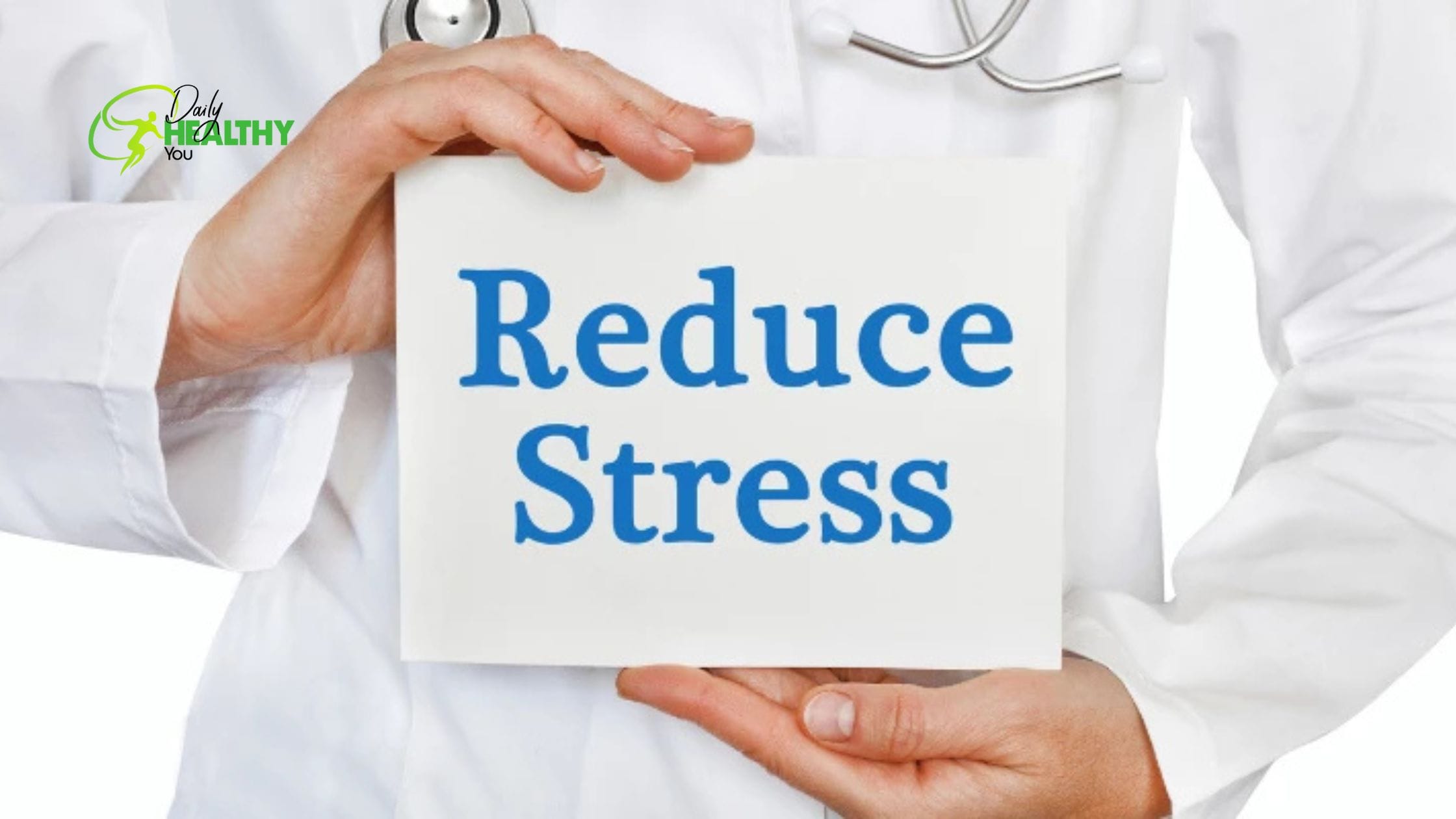
Stress truly can be a silent killer. Even when someone follows a balanced lifestyle, including proper diet, exercise, and rest, high levels of stress can still disrupt the body’s natural functioning and lead to various health issues.
Recognizing that stress is harmful is only the first step; managing it effectively is what truly makes a difference. In today’s fast-paced world, reducing stress often feels like another responsibility added to an already full schedule. However, developing consistent stress management habits is essential for maintaining long-term physical and mental wellness.
By learning effective coping techniques such as mindfulness, relaxation exercises, and positive lifestyle changes, individuals can reduce the harmful effects of stress and achieve a healthier, more balanced life.
Reducing Stress: The Silent Killer
Eating a balanced, nutrient-rich diet and using high-quality supplements can greatly support health, but their benefits are often diminished when chronic stress is present. Prolonged stress keeps the body’s stress hormones, such as cortisol, elevated for long periods, which can weaken the immune system and increase the likelihood of developing serious health conditions like heart disease, diabetes, or even cancer.
When stress hormones stay high, they interfere with normal digestion and nutrient absorption, making it harder for the body to use food efficiently. This hormonal imbalance can also reduce insulin sensitivity, leading to weight gain and a higher risk of metabolic problems.
It’s also important to recognize that stress isn’t only mental or emotional. Environmental factors—such as exposure to toxins, pollution, poor diet, and lack of proper rest—can trigger similar stress responses in the body. Over time, these factors contribute to inflammation, fatigue, and reduced overall well-being.
Managing stress effectively through healthy habits, mindfulness, and lifestyle adjustments is essential for protecting long-term physical and mental health.
What Causes Stress?
Stress can arise from physical, emotional, mental, or chemical triggers — and unfortunately, these factors are almost unavoidable in today’s fast-paced world. While occasional stress is a normal part of life, constant exposure to multiple stressors can overwhelm the body and mind.
1. Poor Diet
Modern eating habits often rely heavily on processed foods that lack essential nutrients. When the body doesn’t receive proper nourishment, it may interpret this as a state of deficiency or “famine,” triggering stress responses that disrupt normal metabolism and energy balance.
2. Environmental and Chemical Toxins
Everyday exposure to harmful substances — whether through food additives, household products, polluted air, or contaminated water — puts continuous pressure on the body’s detoxification systems. These toxins can interfere with hormone function, digestion, and immune strength, increasing overall stress levels.
3. Emotional and Mental Stress
Workload, relationships, financial pressures, and past emotional experiences can all contribute to mental and emotional strain. Studies show that long-term emotional stress can influence hormone production and brain function, making individuals more prone to anxiety, depression, and fatigue.
4. Physical Stress
Stress doesn’t always stem from emotional factors. Physical causes, such as injuries, sleep deprivation, or a lack of healthy fats in the diet, can disrupt hormone balance and reduce the body’s ability to recover. Excessive use of digital devices and insufficient rest further intensify this type of stress.
When all these elements combine, it’s easy to see why stress has become so widespread. Unlike ancient times, where threats were immediate and visible, modern stressors are subtle and ongoing — yet equally damaging. The effects of chronic stress are real and measurable, influencing heart health, immune response, digestion, and overall vitality.
What Stress Does to the Body
When the body perceives a threat, it triggers a physiological chain reaction known as the “fight or flight” response. This natural survival mechanism is designed to prepare the body for immediate action, making it stronger, faster, and more alert in dangerous situations.
During this response, the brain signals the adrenal glands to release stress hormones such as cortisol and adrenaline. These hormones increase heart rate, sharpen focus, and redirect energy toward essential survival functions. At the same time, non-essential processes like digestion, reproduction, and immune activity are temporarily reduced to conserve energy for immediate defense or escape.
While this reaction is vital during genuine emergencies, constant activation of the stress response due to modern pressures—such as work demands, lack of sleep, unhealthy diet, or emotional strain—can have harmful effects on health.
For example, chronic stress can disrupt hormonal balance. The body often converts progesterone into cortisol to meet increased stress demands. Because progesterone is also essential for fertility, hormonal regulation, and pregnancy maintenance, prolonged stress can lead to menstrual irregularities, reduced fertility, and other hormonal issues.
When the body remains in a constant state of alert, it begins to prioritize short-term survival over long-term wellness. As a result, key functions such as immunity, metabolism, and hormone balance gradually weaken, leading to fatigue, inflammation, and a higher risk of disease.
What Stress Does to Hormones
The body’s stress response is primarily regulated by the endocrine system and the hormones it produces. This system works as an interconnected network rather than a set of independent glands, meaning that prolonged stress impacts far more than just the adrenal glands.
When stress becomes chronic, the continuous release of stress hormones like cortisol and adrenaline can disrupt the balance of other important hormones, including serotonin, melatonin, and reproductive hormones such as estrogen, progesterone, and testosterone. These imbalances can contribute to a range of issues, including anxiety, depression, sleep disturbances, muscle tension, menstrual irregularities, and reduced fertility.
Ongoing exposure to elevated stress hormones also accelerates the aging process and can lead to unwanted weight gain, particularly around the abdominal area. In women, this central weight gain often indicates adrenal fatigue and low progesterone levels, both of which are common consequences of chronic stress.
Maintaining hormonal balance through proper nutrition, rest, and stress management techniques is essential for supporting overall physical and emotional well-being.
How to Lower Stress and Start Feeling Better
It’s widely known that managing stress is vital for maintaining overall health, yet many people struggle with how to do it effectively in daily life. Chronic stress can interfere with both physical and mental performance, weakening the immune system and increasing the risk of illness. Therefore, learning to manage stress is not just beneficial — it’s essential for achieving lasting well-being.
Developing practical stress-reduction strategies, such as mindfulness, proper rest, balanced nutrition, and regular physical activity, can help restore calm and improve the body’s resilience to everyday pressures. By addressing stress proactively, individuals can enhance their energy, focus, and overall quality of life.
1. Eat Foods That Support Stress Reduction
Nutrition plays a crucial role in how the body handles stress. Diets high in processed foods, refined sugars, and artificial additives can overload the system and contribute to inflammation and hormonal imbalances. For many people, high grain or carbohydrate intake can also trigger immune reactions and digestive problems, further stressing the body.
A stress-reducing diet should include fresh, whole foods that are rich in vitamins, minerals, and antioxidants. Focus on fruits, vegetables, lean proteins, healthy fats, and unprocessed ingredients. Staying hydrated and limiting caffeine intake can also help regulate cortisol levels and improve overall calmness.
2. Reduce Exposure to Toxins
Toxins from food, water, personal care products, and the environment can put unnecessary pressure on the body’s detoxification systems, particularly the liver and kidneys. When these organs are overworked, the body struggles to eliminate harmful substances efficiently, increasing internal stress.
Ways to reduce toxin exposure include:
- Choosing natural or organic beauty and personal care products
- Avoiding food storage in plastic containers and using glass instead
- Drinking sufficient water to aid detoxification
- Reducing consumption of processed and chemical-laden foods
- Using eco-friendly cleaning products
- Limiting contact with pesticides, herbicides, and environmental pollutants
3. Prioritize Quality Sleep
Adequate sleep is one of the most powerful tools for restoring both the body and mind. The body performs critical repair processes between 10 p.m. and 2 a.m., making this window particularly important for regeneration. Chronic lack of sleep disrupts hormone regulation — especially serotonin and melatonin — which can result in fatigue, poor concentration, and increased anxiety.
Creating a relaxing nighttime routine, maintaining a consistent sleep schedule, and limiting screen time before bed can significantly improve sleep quality and reduce stress.
4. Learn to Set Boundaries
One of the most overlooked causes of chronic stress is overcommitment. Constantly saying “yes” to every task or request can quickly lead to exhaustion and burnout. Learning to set healthy boundaries helps protect mental health and preserves energy for priorities that truly matter.
Evaluating personal limits and practicing self-care are essential steps toward balance and stress reduction.
5. Stay Physically Active
Exercise is a proven stress reliever that helps regulate hormones, improve mood, and boost overall well-being. Physical activity promotes the release of endorphins — natural chemicals that elevate mood and combat anxiety. It also helps the body use excess stress hormones and strengthens the immune system.
Activities such as brisk walking, yoga, cycling, strength training, or even a 10-minute outdoor workout can make a noticeable difference. Gentle practices like Qi Gong or stretching can also help reduce tension and encourage relaxation.
6. Include Healthy Fats in the Diet
Healthy fats are essential for hormone production, brain function, and overall vitality. Diets too low in fat can create nutritional deficiencies and additional stress on the body.
Incorporate sources of beneficial fats such as olive oil, coconut oil, omega-3 fatty acids, and fats from grass-fed animal products. These nutrients support hormone balance, enhance energy levels, and aid the absorption of fat-soluble vitamins like Vitamin D.
7. Boost Antioxidant Intake
Under stress, the body uses up nutrients like vitamins C, E, and magnesium much faster than usual. This can lead to deficiencies if not replenished. Consuming antioxidant-rich foods helps neutralize free radicals and reduce oxidative stress.
Fruits, vegetables, nuts, seeds, and herbal teas such as green tea or peppermint tea provide an excellent source of antioxidants. Besides their nutritional value, herbal teas also encourage relaxation and mindfulness, which further reduce stress levels.
8. Enjoy the Benefits of Music
Music can have a calming effect on both the brain and body. Listening to soothing or rhythmic tunes helps lower cortisol levels, regulate breathing, and enhance mood. The frequency and rhythm of music can influence focus, motivation, and relaxation, making it a simple yet powerful stress-management tool.
Incorporating relaxing music into your daily routine — during work, meditation, or bedtime — can help promote a sense of peace and emotional balance.
9. Practice Positive Thinking and Gratitude
The way we think significantly influences how our body reacts to stress. Maintaining a positive mindset and practicing gratitude can reshape mental patterns, reducing the intensity of stressful reactions.
Simple techniques include:
- Writing down things you’re grateful for each day
- Using positive affirmations to counter negative thoughts
- Surrounding yourself with inspiring visuals or motivational quotes
- Taking short breaks to reflect on pleasant memories or experiences
Positive thinking not only improves emotional resilience but also contributes to better hormonal and immune function.
10. Communicate and Connect
Talking about feelings with trusted friends, family members, or professionals provides emotional release and perspective. Social connection plays a vital role in mental well-being, helping reduce isolation and anxiety.
Healthy communication encourages understanding, reduces emotional tension, and promotes a sense of belonging — all essential elements in managing stress effectively.
Conclusion
Managing stress is not just about feeling calmer — it’s about protecting your long-term physical health and mental health. Chronic stress can quietly affect every system in the body, from hormones and sleep to mood and immunity. The good news is that stress management is within your control. Simple daily practices like mindfulness, proper sleep, balanced nutrition, regular exercise, and setting healthy boundaries can make a remarkable difference. Remember, you can’t eliminate stress completely, but you can change how your body and mind respond to it. Small, consistent steps toward balance can help you lead a healthier, happier, and more fulfilling life.