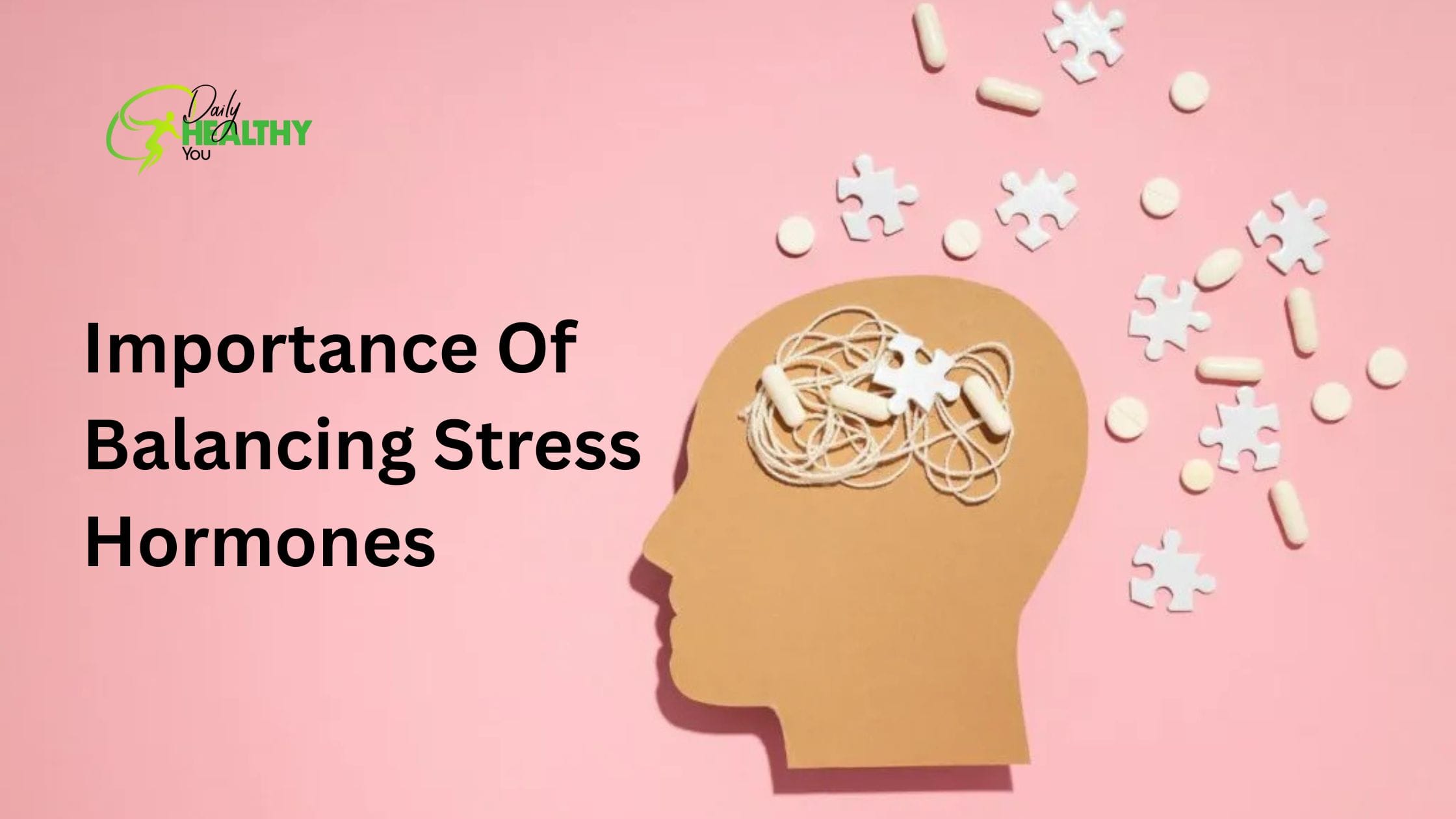
Importance of Balancing Stress Hormones
In today’s fast-paced world, stress has become a part of everyday life. From work pressures to family responsibilities, our bodies constantly respond to stress in ways that can either protect or harm us. Understanding how stress hormones work and learning how to balance them—can have a powerful impact on your overall well-being.
What Are Stress Hormones?
Stress hormones are chemical messengers released by the body during stressful situations. The main ones include cortisol, adrenaline, and norepinephrine. These hormones prepare your body to handle challenges—often referred to as the “fight or flight” response.
While this response can be beneficial in short bursts, long-term activation can lead to hormonal imbalance, fatigue, weight gain, anxiety, and even chronic illnesses.
Why Balancing Stress Hormones Matters
When stress hormones are out of balance, your body stays in a constant state of alert. Over time, this can lead to:
- Poor sleep quality
- Weakened immunity
- Increased cravings and weight gain
- Mood swings or depression
- Hormonal disorders and fatigue
Balancing these hormones helps restore your body’s natural rhythm, improves mental clarity, and enhances emotional resilience.
Signs of Imbalanced Stress Hormones
You might have a hormonal imbalance if you notice:
- Persistent tiredness even after rest
- Unexplained weight changes
- Irritability or mood swings
- Trouble falling asleep or staying asleep
- Cravings for sugar or caffeine
- Irregular menstrual cycles (for women)
Recognizing these signs early allows you to make lifestyle changes that support hormone harmony.
Natural Ways to Balance Stress Hormones
Balancing stress hormones doesn’t require expensive supplements or complicated routines. A few daily habits can make a big difference:
1. Prioritize Quality Sleep
Sleep is when your body repairs itself and regulates hormones. Aim for 7–9 hours each night, avoid screens before bed, and create a relaxing nighttime routine.
2. Nourish Your Body with Whole Foods
Eat a nutrient-dense diet rich in healthy fats, protein, and complex carbohydrates. Foods like avocados, leafy greens, eggs, nuts, and salmon support hormone production and reduce inflammation.
3. Exercise Mindfully
Physical activity helps lower cortisol levels, but overtraining can increase stress. Choose balanced workouts—like yoga, brisk walking, or strength training—that energize rather than exhaust you.
4. Manage Mental Stress
Incorporate relaxation techniques such as meditation, deep breathing, journaling, or spending time in nature. These activities activate the parasympathetic nervous system, promoting calm and balance.
5. Limit Caffeine and Sugar
Excess caffeine and sugar can spike cortisol and blood sugar levels. Replace sugary snacks with fruits and opt for herbal teas instead of multiple cups of coffee.
6. Support Gut Health
Your gut and brain are deeply connected. Eating probiotic-rich foods like yogurt, kefir, or fermented vegetables can help regulate stress response and mood.
7. Stay Hydrated
Dehydration increases stress on the body and affects hormone regulation. Aim to drink enough water throughout the day to keep your body functioning optimally.
The Role of Self-Care in Hormone Balance
Self-care plays a crucial role in maintaining hormonal harmony, especially in today’s fast-paced and demanding world. Your body constantly responds to internal and external stressors, and when you don’t take time to relax and recharge, stress hormones like cortisol and adrenaline can stay elevated. This prolonged stress response disrupts the balance of other hormones, such as insulin, estrogen, and thyroid hormones, which can lead to fatigue, mood changes, poor sleep, and even weight fluctuations.
Making self-care a consistent part of your routine helps reset your nervous system and supports your body’s natural ability to regulate hormones. Simple daily habits—like taking short breaks during work, enjoying a hobby, or practicing mindfulness—signal your brain that it’s safe to relax. When your body shifts from a constant “fight or flight” mode to a state of calm, hormone levels begin to stabilize naturally.
Incorporating self-care rituals such as meditation, journaling, gentle yoga, or deep breathing can reduce cortisol production and enhance the release of “feel-good” hormones like serotonin and dopamine. Getting regular massages, spending time in nature, or connecting with loved ones also promotes emotional well-being, which directly influences hormonal balance.
Moreover, self-care is not selfish—it’s essential. Prioritizing rest, setting healthy boundaries, and listening to your body’s signals help prevent burnout and hormonal overload. When you nurture your mind and body through proper self-care, you support your endocrine system’s ability to function smoothly, resulting in improved mood, better energy, and overall vitality.
In essence, making self-care a non-negotiable part of your lifestyle allows you to maintain both emotional and hormonal balance—helping you live a more centered, healthy, and fulfilling life.
When to Seek Professional Help
If lifestyle changes don’t seem to make a noticeable difference and your symptoms continue to affect your daily life, it may be time to seek professional medical advice. Consulting a qualified healthcare provider can help identify the root cause of your hormonal imbalance through detailed evaluations and laboratory tests such as hormone panels, thyroid assessments, or adrenal function tests. These assessments provide a clearer picture of how your body is functioning internally.
Based on your test results, your doctor may recommend a personalized treatment plan that could include dietary adjustments, stress management therapies, herbal supplements, or medical interventions designed to restore your hormonal equilibrium. In some cases, a holistic approach that combines nutrition counseling, exercise planning, and natural hormone support can produce the best results.
Addressing hormonal imbalance with professional guidance ensures that you don’t overlook underlying issues such as thyroid disorders, adrenal fatigue, or insulin resistance. Early diagnosis and proper treatment not only help you regain balance safely but also promote long-term physical and emotional well-being.
Conclusion : Balancing Stress Hormones
Balancing stress hormones is one of the most important steps toward long-term health. By prioritizing sleep, mindful eating, movement, and emotional well-being, you can help your body maintain harmony and resilience.
A balanced body isn’t just about looking good—it’s about feeling strong, calm, and in control. Take small steps every day, and your mind and body will thank you.